Electric mopeds really boost how many people get around in cities since they pack so many riders into such little space on the roads. Take a look at the numbers: these small electric scooters take up about 1.5 square meters of road real estate, which is way less than what cars need their 10 plus square meters! Because they're so tiny, we can fit six times as many people moving through the same stretch of road during rush hour compared to regular vehicles. Cities that create special lanes for these micro mobility options see amazing results too. Just imagine one lane filled with electric mopeds moving 1,200 folks every hour versus normal traffic lanes that barely manage 200 people. That kind of space saving makes traffic jams much easier to handle while still getting plenty of commuters where they need to go.
The 2023 shared e-moped trial in Lisbon showed just how effective small mobility solutions can be at changing how people get around. After only three months, city officials saw a drop of about 12.4% in cars on the road during those dreaded morning commutes. That translates to roughly 8,700 fewer cars clogging up the main streets each day. About one third of those riding e-mopeds used to drive their own cars before switching over, mostly because they found their commutes cut down by almost half. With so many fewer cars stuck in traffic, peak hour delays across the whole city actually went down by 18 minutes. What this tells us is pretty clear: e-mopeds aren't just another option for getting around town, they're actually replacing car trips altogether. For cities struggling with traffic jams, this makes e-mopeds an incredibly powerful solution worth serious consideration.
Riding electric mopeds really brings down energy expenses. At around five cents per kilometer, these vehicles only cost about one fifth what gas powered cars do for the same distance (those typically run about 25 cents per km). Why such big savings? Well, electricity itself is cheaper per unit, plus there's regenerative braking systems that actually capture some of the motion energy when slowing down. And let's not forget the simpler mechanics too since electric motors have way fewer parts that wear out over time. Take someone who commutes 15 kilometers each day through city streets. Over a whole year, just on fuel costs alone, they'd save roughly $1,100 dollars. Things get even better in metropolitan areas where local governments often slap extra taxes on gasoline pumps, driving prices higher while keeping electricity tariffs pretty steady or offering subsidies for green transportation options.
| Cost Component | Electric Moped | Gasoline Car | Savings |
|---|---|---|---|
| Energy per km | $0.05 | $0.25 | 80% |
| Annual Maintenance | $90 | $600 | 85% |
| Parking Fees (Urban) | $200 | $1,200 | 83% |
Over five years, the total cost of ownership for an electric moped averages $8,400—68% less than the $26,200 typical for a compact internal combustion engine vehicle. This gap reflects substantial savings across four key areas:
Commuting 300 days annually, users recover the initial purchase price within 18 months through operational savings alone. As confirmed by the World Bank (2022), these economics make e-mopeds viable second-car replacements in 74% of urban households.
Electric mopeds typically get around 60 to 100 kilometers on a single charge, which is plenty enough for most people who live in cities. The International Transport Forum reported something interesting back in 2023 too. They found these ranges actually cover nearly nine out of ten trips that are 15 km or shorter. Think about it: morning commutes, picking kids up from school, running quick errands around town. When paired with fast charging options at home or work spaces, there really isn't much worry about running out of juice during regular city driving. Plus, since they're so light and nimble, riders can zip through traffic jams where bigger cars just sit stuck. No wonder more folks are turning to them as their main mode of transport in busy urban areas.
Electric mopeds take up only about 17% of what a regular car needs for parking space, which means streets can fit six times as many bikes along the same stretch. Think about places where space is at a premium, Manhattan comes to mind, maybe even parts of central Tokyo. The fact that one parking spot could serve several electric mopeds makes a real difference. Less time spent driving around looking for parking spots translates into fewer cars clogging up city streets. Studies have shown that this "cruising for parking" accounts for roughly 30% of all traffic in busy downtown areas. And there's another benefit too. Parking fees drop significantly when switching from cars to mopeds, somewhere between 40% and 60% cheaper than standard car rates. That kind of savings definitely encourages more people to make the switch.
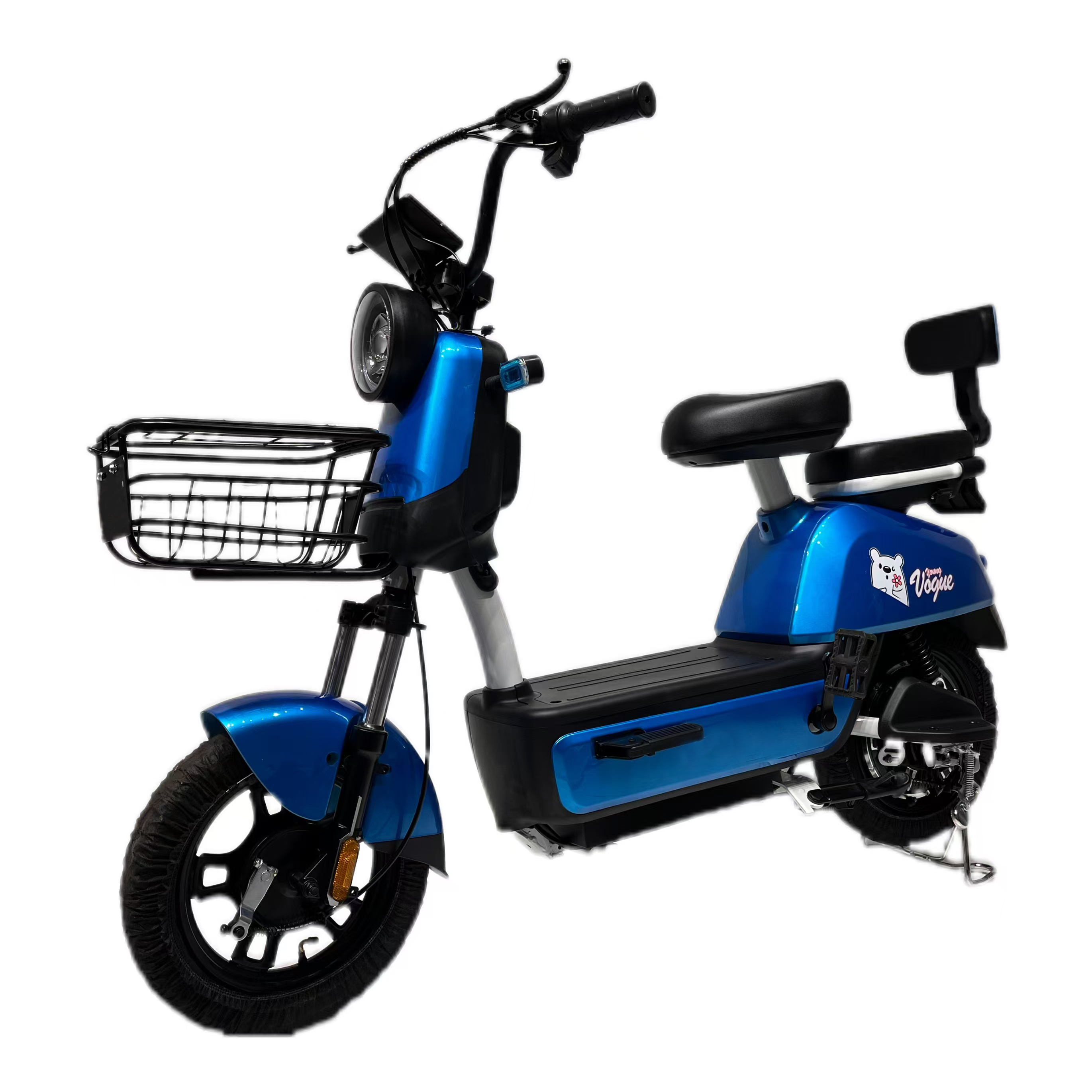
Electric mopeds occupy less road and parking space compared to cars, allowing more vehicles on the same road, which alleviates congestion in urban areas.
The e-moped pilot in Lisbon led to a 12.4% reduction in peak-hour car usage, showing a significant modal shift from car trips to e-moped rides.
Electric mopeds offer substantial savings in energy costs, maintenance, parking fees, and insurance, making them a cost-effective alternative to gasoline vehicles.
Yes, electric mopeds have a range of 60-100 km on a single charge, which covers approximately 89% of urban trips under 15 km.
Electric mopeds require significantly less parking space than cars, increasing curb utilization and reducing time spent looking for parking spots.

Founded in 2017, Hebei Leishuo Technology Co., Ltd. operates a 13,000 m² factory with two production lines and monthly capacity of 10,000 units. We manufacture electric bikes, electric tricycles and mountain bikes for OEM/ODM buyers in 40+ countries.
Room 2418, Building 2, Jinding International Plaza, Xindu District, Xingtai City, Hebei Province, China
Copyright © 2026 by Hebei Leishuo Technology Co., Ltd. Privacy Policy

 EN
EN

 Hot News