Kuwa da karamin karama a cikin tattalin arziki suna zama abin tsoro mai yawa. Karamin karama kuma zai iya gudan yadda yake da 30 zuwa 49% na lokacin da aka sani. Kuma samun wani wurin kuɗi na karamin karama shine abin tsoro na biyu ga karamin karama. Wadanda suka yi karamin karama suna gudan daga baya da baya a cikin karamin karama ta 15 ko 20 miniti don samun wani wurin kuɗi, wanda ya ci gaba daya na karamin karama ta 50%. Karamin karama na elektriki suna gudan wannan abin tsoro duk su, saboda sautin su na yawa wanda ke ba su damar gudan a cikin karamin karama na karamin karama da kuɗi a cikin wadanda wani wuri ke ba su damar kuɗi. Wadanda suka yi karamin karama suna gudan nuna karamin karama. Wadanda suka yi karamin karama suna ce suka gudan karamin karama 40% don gudan karamin karama a cikin wadanda wani wuri ke cika, saboda ba su gudan lokaci don samun wani wurin kuɗi, kuma suka iya gudan a cikin wadanda wani wuri karamin karama na karamin karama ba su iya gudan. Wadanda wani wuri suna gudan abin da ke zama karamin karama na yawa a cikin tattalin arziki, wanda ke cika 53 cents daga karamin karama ta $1 da aka gudan don gudan abubuwa a cikin wadanda wani wuri ke cika.
Motocin lantarki na iya juyawa cikin sauri, a zahiri, tunda radius din juyawa bai kai mita 3 ba kuma ba su wuce mita daya ba. Wannan ya sa su zama cikakke don yin tafiya a cikin tsoffin unguwannin gari da kasuwanni masu cike da aiki inda manyan motoci ba za su iya tafiya ba. Domin waɗannan ƙananan motocin suna bin dokokin masu tafiya da ƙafa, direbobi za su iya bin duk wani hanyar da ba ta dace ba da kuma hanyoyin da za su iya hana motar hawa ta tsaya. Hanyoyin isarwa suna raguwa da kimanin kashi 28 cikin dari a matsakaita godiya ga waɗannan hanyoyin da aka yi amfani da su. Bugu da ƙari, masu aikawa za su iya kaiwa kusan kashi 60% a cikin kowane kilomita na murabba'i idan aka kwatanta da motocin jigilar kaya na yau da kullum. Ƙarƙashin ƙafafun uku yana kiyaye kaya har ma lokacin da yake tsalle a kan tsohuwar dutse mai tsayi, tsalle-tsalle, ko kuma magance duk wani yanayi mai wuya wanda ya zo gaba - wani abu mai mahimmanci lokacin da ake jigilar abubuwa masu mahimmanci kamar kayan gilashi ko kayan abinci. A wuraren da babu hanyoyi, wannan tsari na musamman ya rage yawan rashin isar da kayayyaki da kashi 22 cikin dari, wanda ke nufin abokan ciniki masu farin ciki da kuma tafiye-tafiye da ba a yi amfani da su ba.
Idan kana gano hanyoyin karama, tricycle na Lantarki yana nuna kudin kammalun gwamnati ta yau da kullum a cikin karama wanda ya fi wasu hanyoyi. Duba waɗannan fasahar muhimmi:
| Raiya lura | Kudaden farko | Kudin Aiki per-KM | Kulawa na Shekara-shekara |
|---|---|---|---|
| Tricycle na Lantarki | $3k–$8k | $0.02 (QSD-EV 2023) | $150–$300 |
| Van na Kargi | $30k–$45k | $0.20-$0.40 | $1,200+ |
| Kayan lantarki na lantarki | $4k-$10k | $0.03 zuwa $0.05 | $200 zuwa $500 |
Motocin lantarki suna rage farashin man fetur gaba daya kuma fayafayan su suna da tsawon rai godiya ga wadannan tsarin birki na sakewa. Sauƙin inji yana nufin ƙananan tafiye-tafiye zuwa wurin gyaran idan aka kwatanta da motocin gargajiya. Babu bukatar sauya mai, watsa aiki daban, kuma babu shakka babu fitarwa tsarin to damu game da musanya. Hakika, kekunan lantarki suna da amfaninsu, amma idan ya zo ga ɗaukar kaya masu nauyi tsakanin kilogiram 150 zuwa 300 ba tare da faduwa ba, kekuna uku suna cin nasara. Kasuwanci da ke yin kaya masu yawa sun gano cewa za su iya ajiye kusan kashi 40 cikin dari a kowane kaya idan suka sauya daga kekuna zuwa waɗannan hanyoyi uku.
Kwararun masu amfani da kasa da kwararun federali suka taimaka wajen gudunmawa na farko. A Amurka, Inflation Reduction Act ta ba da kudin bayanai wanda ya kawo 30% na kudin koyaushe na motor na elektriki na al'umma, amma madinai kamar Paris da Berlin suna ba da kudin bayanai ta hanyar €4,000 ga wani abu. Wadannan kudin bayanai, da kuma kudin da aka sanya daga rufe yadda ake amfani da elektrisiti, suna ba da ROI mai zahiri:
Wadanda suka amfani da su suna bayyana cewa suna samun kudin bayanai ta hanyar 18 mizani, da kuma kwararun da suka hada da 10 ko karanci na tricycle suna gudunmawa kudin bayanai na $74,000 kafin sannan a cikin kudin bayanai da kudin bayanai. Wannan kudin bayanai ya sa tricycle na elektriki ya zama abin da ke cikin fahimta don amfani da shi a kwararun madina.
Kurkuri na elektriki ba su kuma kuma fumes na gas da suka fiye a wani lokaci da suke tattara a kasu, wanda ke taimaka ga madinai su gane alamarinsu na kare karbon pollution. Don misalali, Amsterdam da Copenhagen suna da amfani da kurkuri na elektriki don kare suka fiye a yanzu, wanda ya sa su kare 1.2 ton CO2 a cikin atmosferi kowane shekara daga kowane kurkuri na elektriki, kuma ba su amfani da van na diesel na farko. A yanzu suke tattara su ne kuma mafi kyau, su tattara kadan 25 km daga kowane kilowatt-hour, wanda ke nufin cewa suka fito a cikin alamarinsu na manyan madinai na kare tattarar su na mafi kyau. Kuma akwai abu ce "regenerative braking" wanda ke taimaka wajen kare bateri akan koyaushe da suke rarraba, wanda ke nufin cewa ba a bukata koyaushe a wajen kare bateri a cikin rana.
Tsari na kurkuri na elektriki ta kawo karama mai yawa na karama da tsari mai yawa na karama. Duk wani abu mai muhimci shine:
Madinai daga cikin ƙasa duk da kuma suka samu neman haɗa da amfani da tricycles na elektriki a yadda suka yi ayyukan tattara. Don Allah, kamar misali, a Yurup, madinai mai yawa suka gano cewa waɗannan tricycles na uku-kwana suka rage lokacin tattara ta hanyar 30% don ya sa wajen van na aljari a yankuna na madina mai zuwa. Wane sabon? Wadannan kwayoyi da kuma shugaban jirgin baki ba su da kyau don amfani da jirgin baki mai yawa. Kuma shugabancin tattara a Asiya suna da farko da fahimtar yadda suka faru, suna bayyana cewa suka samu 25% yadda suka rage kudin mil per mile bayan su amfani da su. Suka kawo wani abu mai yawa da kuma suka iya rarraba wadannan kudin da kuma suka samu wani wuri don kariya inda jirgin baki na aljari ba su iya samun. Kuma zamu yi talk about the environment. Amdinai kamar Amsterdam da Seoul suna da farko da koyaushe 1.2 tons ta carbon dioxide kowace shekara per vehicle. Shugabancin madina suna zama da farko da amfani da wannan teknoliji, suna sanya kudin don koyaushe charging stations wanda ke taimaka wajen rage lokaci. Lokacin da muna duba duk wadannan adadin, muna ganin cewa muna da yawa da kariya don kammala tattaran kariya da kuma muna da abokan cin rai da kariya. Wannan yana nufin cewa muna da yawa da madinai suna amfani da tricycles na elektriki don amfani da su a yadda suka yi tattara a madina.
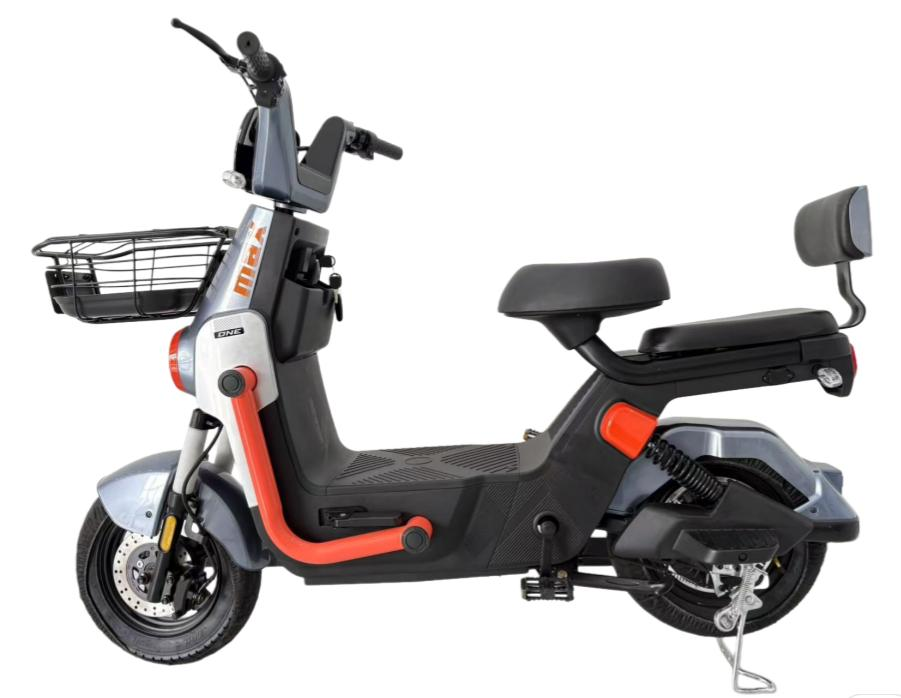
Motocin lantarki suna da sauƙin motsawa a cikin yankunan da ke da cunkoso, ƙananan farashin aiki idan aka kwatanta da motocin motoci, da kuma ikon kewayawa a cikin ƙananan tituna da wuraren tafiya, rage lokacin bayarwa da farashi.
Suna rage fitar da hayaki sosai, suna tallafawa biranen wajen cimma burin rage hayakin da suke fitarwa. Amfani da makamashi mai inganci da kuma yin amfani da birki mai sabuntawa yana taimakawa wajen rage gurɓataccen yanayi da ƙananan farashin aiki.
Hakika, shirye-shirye dabam dabam na birni da na tarayya suna ba da taimako da kuma rage haraji don a biya kuɗin da aka kashe a farko, da hakan ya sa ɗaukan yara ya zama da amfani a wajen kuɗi.

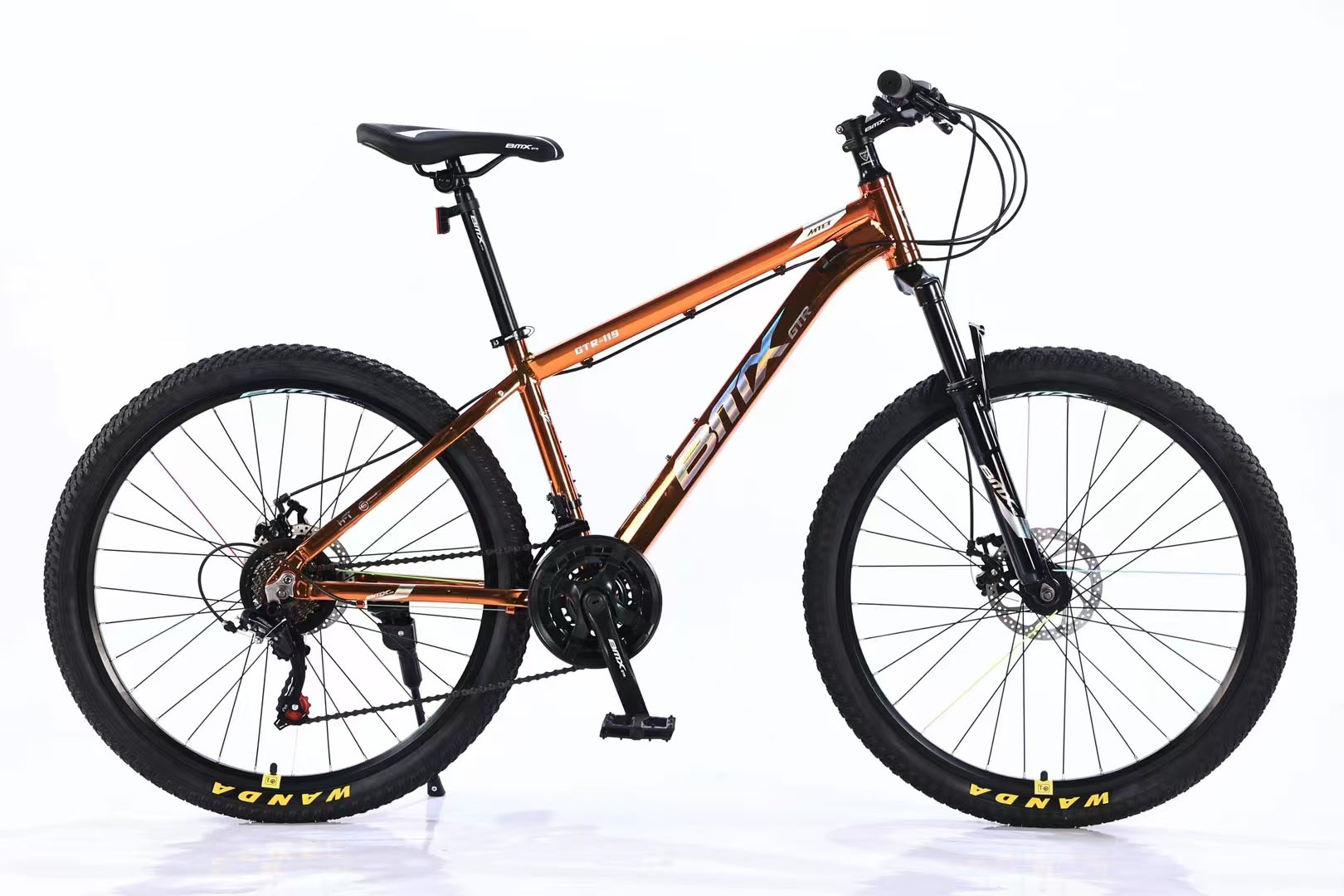
A cire har zuwa 2017, Hebei Leishuo Technology Co., Ltd. ta shiga ƙaramin 13,000 m² da biyu production lines da kudin yanzu na 10,000 units a watan. Mu zana electric bikes, electric tricycles da mountain bikes don OEM/ODM buyers a cikin 40+ dukkan.
Room 2418, Building 2, Jinding International Plaza, Xindu District, Xingtai City, Hebei Province, China
Copyright © 2026 by Hebei Leishuo Technology Co., Ltd. Shirin Tattalin Kudin

 EN
EN

 Labarai masu zafi