Lè popilasyon mondial vieyi, demann pou solisyon mobilite ki mete sekirite, konfò ak endepandans an pwoyè kontinye woule. Trisiklè elektrik pou moun vye se yon apwòch revolisyonè nan transpò pèsonèl, ki kombine estabilite twa ròd ak konvenyans asis sans elektrik. Machin inovatè sa yo ap transfòme fason moun vye deplase nan kominote yo, ofri yon altenatif pratik pou bisiklè tradisyonèl epi ofri yon mobilite amelyore pou moun ki kapab gen pwoblèm ekilib oswa limitasyon fizik.
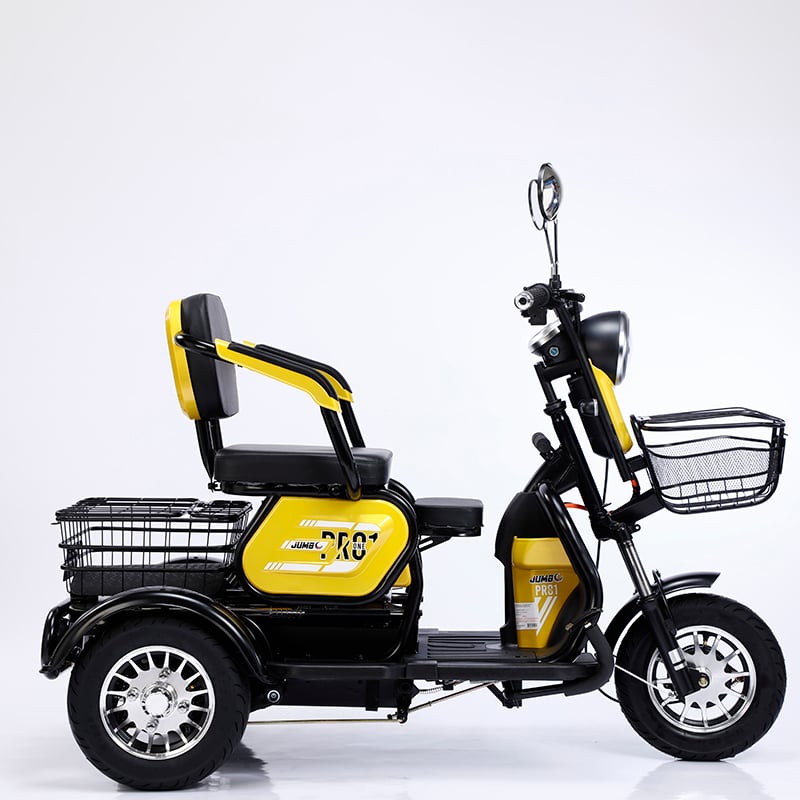
Avantaj fondamantal yon trisikl elektrik pou moun ki gen yon sènse aji se konfigirasyon twa ròd li, ki elimine pwoblèm ekilib kote biskikl tradisyonèl ki gen de ròd yo pran. Desen sa a pèmèt yon platfòm estab ki pèmèt moun ki monte sou li fèk konsantre sou direksyon ak jwenn plezi nan vwayaj li yo paske li pa bezwen kenbe ekilib. Peryod ròd plis laj pèmèt yon sante sentè gravite pi ba, sa ki redwi netyèman risk kapot oswa chite, sa ki patikilyèman enpotan pou moun ki gen yon sènse aji paske yo kapab gen yon kapasite ekilib oswa koordinasyon pi fèb.
Karakteristik sekyite avense integre nan trisiklè elektik modèn pou moun vye enkli sistem fren ki amelyore ak opsyon fren men ak fren pye. Anpil modè gen teknoloji fren rejeneratif ki pa sèlman amelyore kapasite frenaj la, men li etenndi tou vèt bateri a. Pozisyon kontwòl yo konsepte selon ergonomi pou adapte itilizatè ki gen limitasyon nan dèstretè oswa artrit, asire ke tout fonksyon esansyèl yo rete fasil pou atenn nan kouz operasyon an.
Trisiklè elektik ofri yon opsyon ekseris fizik ki gen yon impan piti sou sante kadyovaskilè a toutan li dou pou atè ak misk. Fonksyon asisans elektik la pèmèt moun vye yo kontwòle nivo esfò fizik ki nesesè, sa ki fè posib pou yo pral pi lontè san santi twò fatige. Adaptabilite sa a fè trisiklè elektik pou moun vye yon bon chwa pou kenbe yon estil viv aktif, sèlman pa rapò ak nivo kondisyon fizik oswa limitasyon kowp.
Pozisyon asye sou plis pàtikilè elektik trisikl redui presyon sou dos, kò, ak genou parapò ak mache oswa sikl tradisyonèl. Avantaj ergonomik sa a se patikilyèman bon pou senyè ki sòfri de artirit, doulè nan atikilasyon oswa difikilte mòbilite. Kapasite pou reponn tandiske w ap avanse pèmèt konfians ak kominfò pou sòti longè.
Modè elektik trisikl modèn pou senyè genèralman kapasite kachè enpotan, sèkli ak panie anpil nan pòs, kòb devan ak opsyon sotèj sòt kote. Desen paktik sa a pèmèt senyè a transpò manje, obje pèsonèl ak nesesè jounal sans bezwen ekis. Kapasite kachè a transfòme machin sa yo sòt outi rekreasional pou fè solisyon transpò paktik pou viv endepandan.
Kapasite sotè yon trisikl elektik pou moun vye pase bezwen transpò bazik yo. Anpil modè kapab asepte ekipman medikal, sak achèt ak menm ti bèt domestik, sa fè yo polivalan kòm kominyon pou divès aktivite jounalè. Opsyon sotè sekyir pwoteje obje pandan traspo epi bay bonè esprit pou itilizatè ki pòte obje vale oswa senstif.
Teknoloji batrisi nan trisikl elektik te progrese anpil, ak anpil modè ofri yon etendue de 30-50 mil sou yon sèl chaje. Etendue plis long sa a asire ke moun vye kapab konplete aktivite jounal yo san santi inkyetid sou etendue. Trisikl elektik pou moun vye pral benefisye de sistè mòtè efikas ki optime konsomasyon enerji toutan li ofri asisitans adikwè pou divès teren ak kondisyon roulaj.
Sistèm chaje yo konsepi ak kominikasyon itilizatè a nan esprit, ak koneksyon sèlman pou enfè epi endikatè nivo bateri klè. Anpil modè trisikl elektik pou moun vye gen bateri ki kapab sòti, sa ki pèmèt chaje nan kay la epi pral pi lwen nan vye bateri a atravè bon pratik sèvaj. Tan chaje tipik la se 4-6 èdtè, sa ki fè chaje nan nwit la prati pou itilizasyon jenèl.
Trisikl elektik pou moun vye pèmèt moun yo fè aktivite fizik regilyèman paske li fè sikling la ase aksesib pou moun ki ta kapab evite ekseris paske yo gen limitasyon fizik oswa konsèn sekirite. Asisans elektik la kapab reyile pou bay nivo diferan soustè, sa ki pèmèt moun ki monte sou trisikl la ogmante aktivite fizik yo gradyèlman pandan kondisyon fizik yo amelyore. Aproch progresif sa a pou ekseris la se ideal pou senyè ki rekiperè de maladi oswa operasyon.
Itilizasyon regilye yon trisiklè elektrik pou moun ki gen yon sènèyèse pèmèt renfòse miskil yo, patikilyèman nan jamb ak kò a, toutan l amelyore sante kadyovaskilè. Mouvman doux ak ripetit peda a ede kenbe fleksibilite atikilasyon yo epi kapab ralanti pwogresyon kondisyon tankou osteyoporoz. Aktivite a nan eksteriyè a pèmèt tou ekspozisyon esansyèl a vitamin D ak ayè fresk, sa ki kontribiye nan bon sante menntal ak fizik toutanpou.
Endepandans ak libète ke yon trisiklè elektrik pèmèt moun ki gen yon sènèyèse genyen kapab gen yon enfliyans enpòtan sou sante menntal yo ak kalite lavi yo. Kapasite pou veye yo menm pou vizite zanmi yo, asiste evènman kominotè a, oswa senpman pral nan ròt pitoresk la ede konbat izolisman ak depresyon ki souvan asosye ak vieyis. Senp kontwòl ak otonomi ke transpò pèsonèl la pèmèt kreye kontribiye nan amelyorasyon estèm de soi ak konfyans.
Trisikl elektik yo souvan fè moun pale ak lòt moun epi yo sèvi kòm katalisè sosyal, ki konekte moun vye ak voisenn yo ak mèmbe kominote a. Kourir ansanm ak klòb trisikl yo bay oportinite pou interaksyon sosyal ak eksperyans kondivize, ki kreye nèf amizay epi renfòse lyen kominote a. Vizibilite ak natir apwopriye yon trisikl elektik pou moun vye souvan atire atansyon pozitif ak sipò soti nan mèmbe kominote a.
Avantaj envirònmanèl pou chwazi yon trisikl elektik pou transpò moun vye a se enpotan. Machin sa yo pa pwodui okenn emisyon direk, sa ki kontribiye nan pi bon kalite ayè nan kwatye rezidansyèl ak zòn urbèn. Efikasite enèji trisikl elektik yo genyen anpil plis pase machin tradisyonèl yo, ak konsomasyon enèji ekivalan a plis pase 1000 mil pa galon gasolin lè yo sèvi ak sòs enèji renevable.
Efen redui sou envirònman yon trisikl elektik pou moun ki gen yon sènse aji pa sèlman sou emisyon, men tou sou degradatayon mo machin sou infrastrakti wout, polisyon son ki diminye epi bezwen espace parkèy ki minimal. Faktè sa yo kontribiye nan kominote ki pi sisteNab epi montre kòman chwa transpò invidiwèl kapab afekte envirònman plis genral pozitivman.
Avantaj ekonomik yon trisikl elektik pou moun ki gen yon sènse aji vin klè lè ou konpare li ak kou yo pou pwope yon machin oswa metòd transpò altenatif. Envestisman inisyal nan yon bon kalite trisikl elektik souvan rekupere nan premye ane a atravè ekonomi sou kouran, asirans, enregistrman ak kou mantnans asosye ak machin tradisyonèl.
Kou fonksyone pou yon trisikl elektik pou moun ki gen yon sènèyè ak kote itilizatè yo minim, ak depans elektrik pou chaje tipikman montan pou pennies pou chak kilomèt. Kondisyon antretyen yo senp epi pa chè konpare ak antretyen otomobil, ki fè machin sa yo patikilyèman atire pou granmoun aje ki gen revni fiks ki chache maksimize bidjè mobilite yo.
Lè w ap chwazi yon tricycle elektrik pou granmoun aje, gen plizyè faktè kritik ki merite konsiderasyon. Konsepsyon an chèz ak reglabl yo enpòtan anpil pou konfò pandan woulib pwolonje, ak anpil modèl prim ofri chèz ègwonòmik ak sipò tounen ak amortizasyon. Konfigirasyon manbràn an ta dwe akomode kapasite rive ak fòs chofè a, ak opsyon pou pozisyon vètikal ki diminye tansyon sou do a ak zepòl.
Puisans mòtè a ak sofistikasyon kontrôle a enfliyans fòman sou prestatyon yon trisikl elektik pou moun ki gen yon sènse. Chache modèl ki gen plizyè nivo asisitans ki kapab reajiste fasil pandan opere. Kwalite kominikasyon elektik yo, sèkisyon, kòd ak konektè yo enfliyans sijè long peryod ak satisfaksyon itilizatè a. Karaktè rezistan ak rezistan kont kondisyon meteyo asire prestatyon konstant nan tout kondisyon envirònman.
Karakteristik sekyite esansyèl pou yon trisikl elektik pou moun ki gen yon sènse enkli LED briyant pou vizibilite pandan lè maten, lè aswè ak kondisyon nubile. Eliman reflektif ak koulè briyant amelyore vizibilite a pou lòt itilizatè ròt ak pase. Sistèm fren ki bon ak opsyon mekanik ak elektik pèmèt mezi sekyite redondan ak adapte diferan prefèns itilizatè ak kapasite fizik yo.
Amelyorasyon konfò a, tankou sistèm sispansyon, pne materyèl ki reziste pèr, ak akseswar pou pwoteksyon kont kondisyon meteyo fè trisikl elektik la pi plezi ak pi pratik pou itilizasyon regilye pa moun ki gen yon sèn avanse. Konsidere modèl ak kad pasaj (step-through) pou monte ak desann fasilman, epi asire w ke pwo mwayen ak dimansyon yo adapte pou sotaj ak traspor.
Pli fò trisikl elektik ki konsepte pou moun ki gen yon sèn avanse ofri yon kilòmetraj ant 40-80 km (25-50 mil) nan yon sèl kach, selon faktè tankou pwo moun ki pran l, nivo teren, nivo asisitans ki sèvi, ak kondisyon meteyo. Modèl ki pi bon mache ak batris de premye kalite kapab rive jiskà 95-115 km (60-70 mil). Kilòmetraj reyel la pral varye selon kantite asisitans peda ki sèvi, ak nivo asisitans ki pi bas la pral ektennd kilòmetraj la anpil.
Trisiklè elektik pou moun ki gen yon sèn avanse se tipikman konsepi ak vitès maksimòm asiste ant 15-20 mph, sa ki bay yon vitès kominfò pou fè randoné oswa pou traspor lokal. Anpil modè ofri plizyè nivo vitès, sa ki pèmèt itilizatè a chwazi vitès pi bas pou ogmante sekirite ak kominfò. Vitès maksimòm la kapab limiye atravè reyisaj kontrolè a pou adapte l ak regilasyon lokal ak preferans itilizatè a.
Sèvis regilye pou yon trisiklè elektik enkli vèifikasyon presyon bonm yo chak mwa, netwayaj katen anpil fwa nan semenn nan epi aplike yon lubrikant, epi asire ke tout boulon ak koneksyon yo toujou sere. Batè a dwe siche regilye epi sotaje korekteman lè li pa itilize. Sèvis pwofesyonèl chak ane se rekòmande pou vèfie kòmponan elektik, frèn ak bon fonksyone tout sistè a. Pli fò sèvis yo senp epi kapab fèt pa pwopriyetè a ak zouti bazik.
Trisiklè elektik yo te konsepte spesifikman pou rezoud pwoblèm ekilib ki fè biskilet tradisyonèl difisil pou bonn moun. Desen twa ròd yo bay yon estabilite natirèl ki elimine bezwen pou kenbe ekilib pandan ou kouri. Men, itilizatè yo dwe toujou pratike nan milie sekir nan kominis la anpil epi pran en konsiderasyon modèl ki gen karaktè istabilite adisyonèl tankou yon santè gravite ba epi yon largè ròd. Konsiltasyon ak pwovizè sante avan koumanse nenpòt aktivite fizik nòv se toujou rekòmande.
Fonde nan lane 2017, Hebei Leishuo Technology Co., Ltd. gen yon fèbrik ki gen sifas 13,000 m² ak de liy pwodiksyon epi kapasite mwayen 10,000 inite pa mwa. Nou fè bisklet elektrik, trisikl elektrik ak bisklet montagn pou akwè OEM/ODM nan plis pase 40 peyi.
Room 2418, Building 2, Jinding International Plaza, Xindu District, Xingtai City, Hebei Province, China
Copyright © 2026 by Hebei Leishuo Technology Co., Ltd. Politik sou vi prive

 EN
EN

 Novèl Chaud