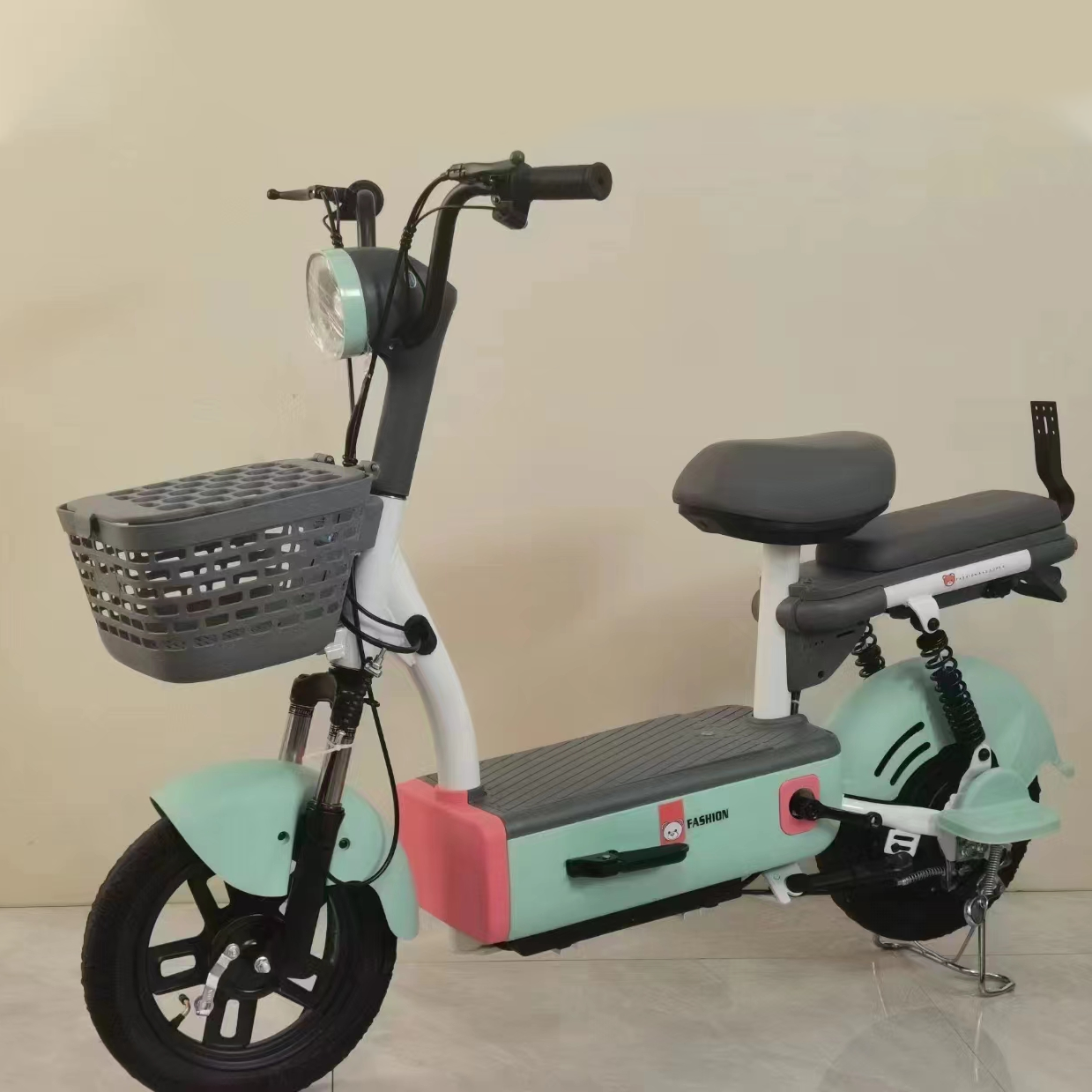
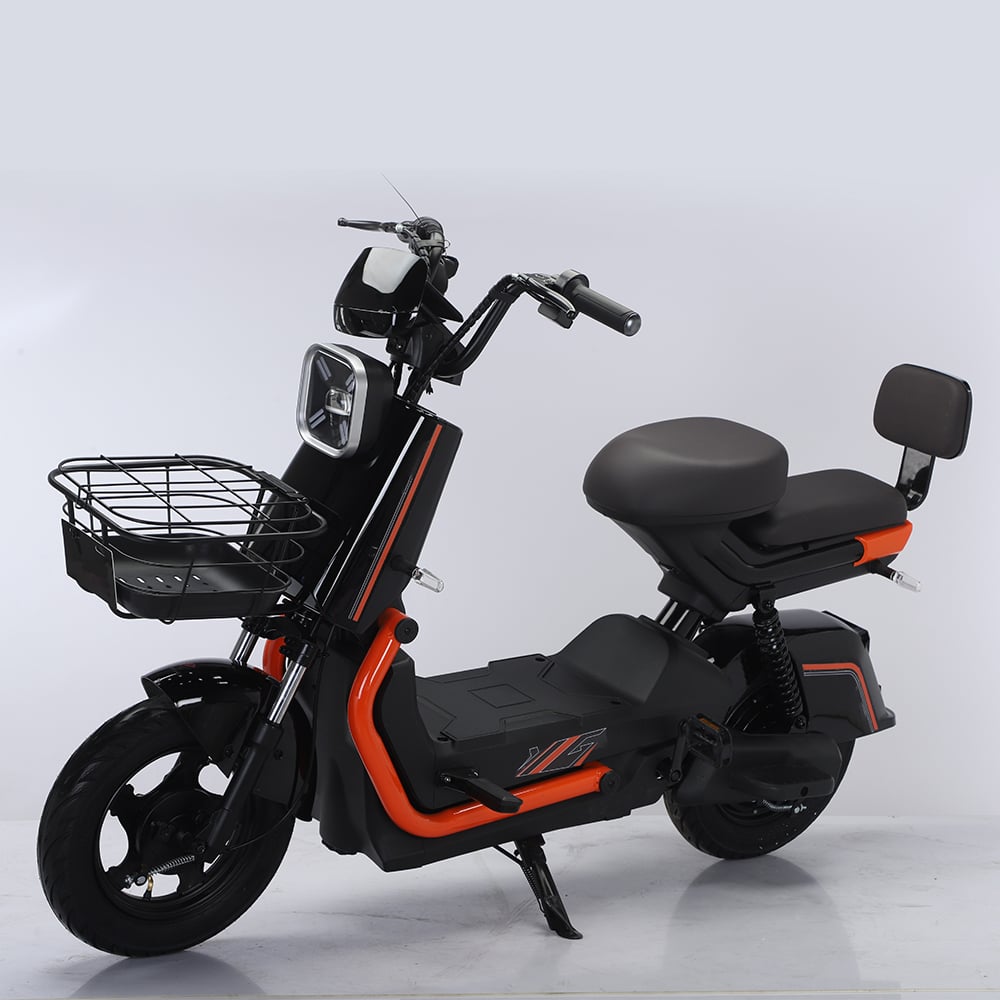
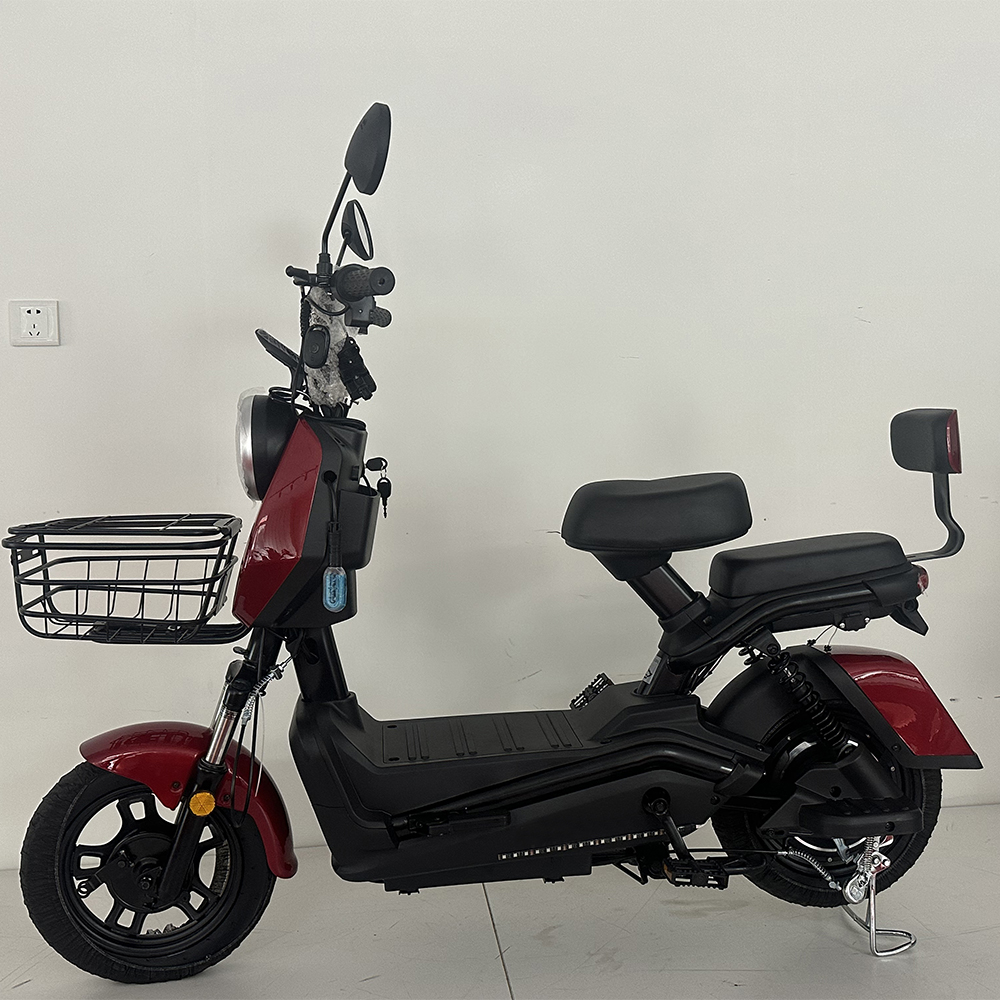
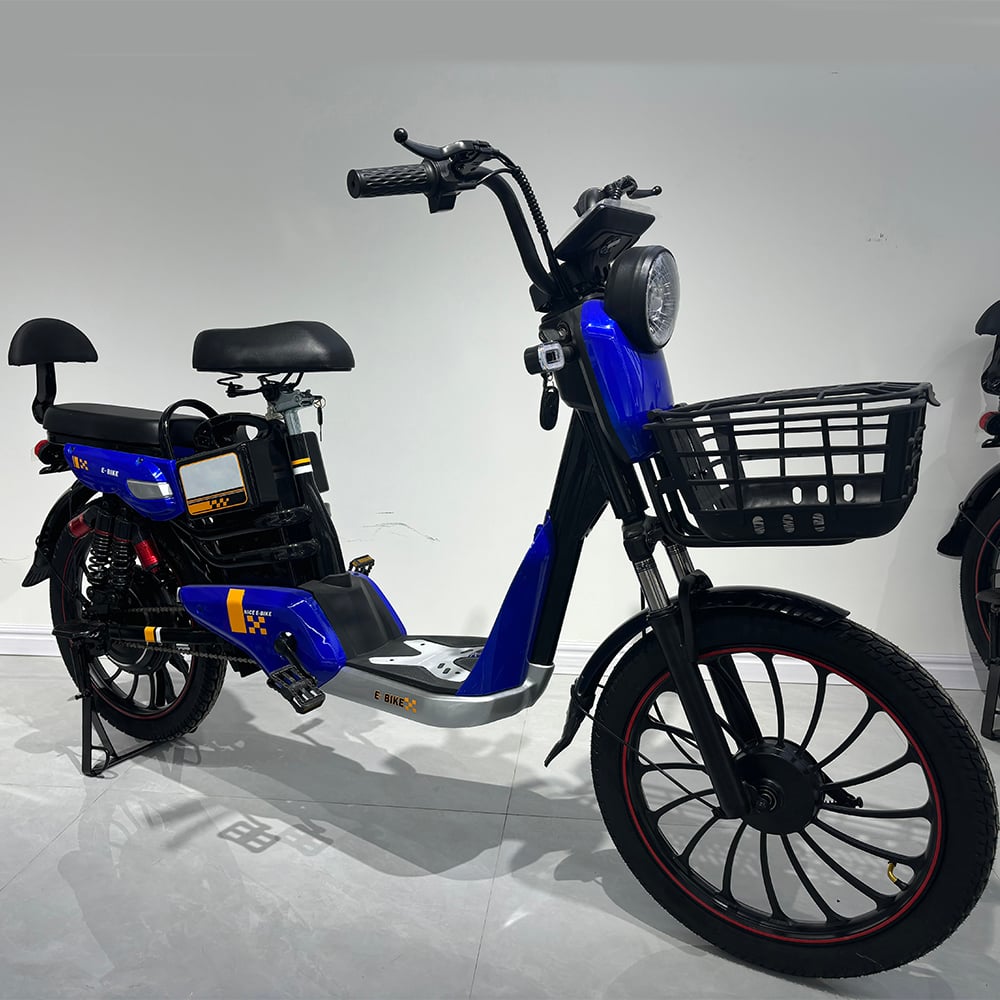
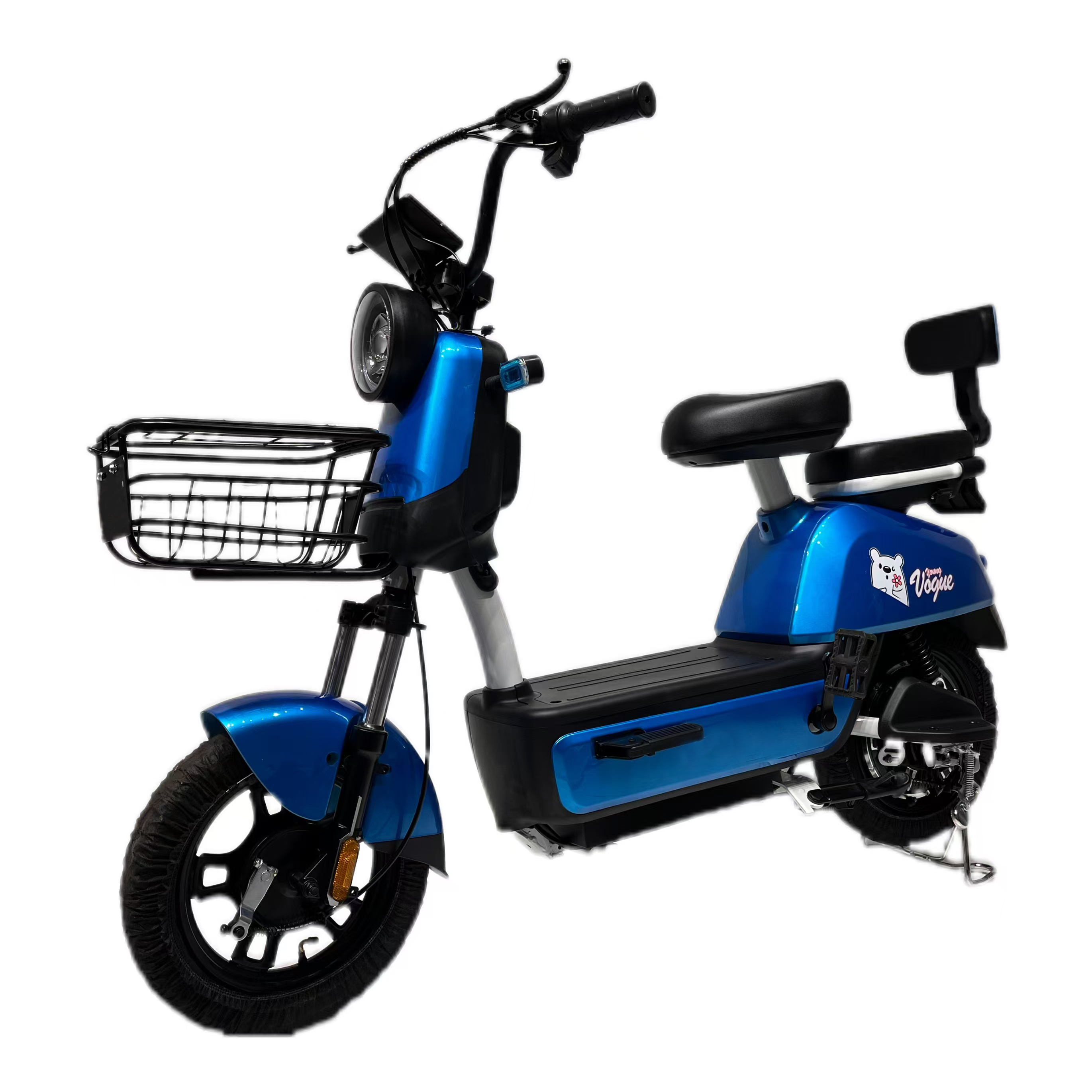
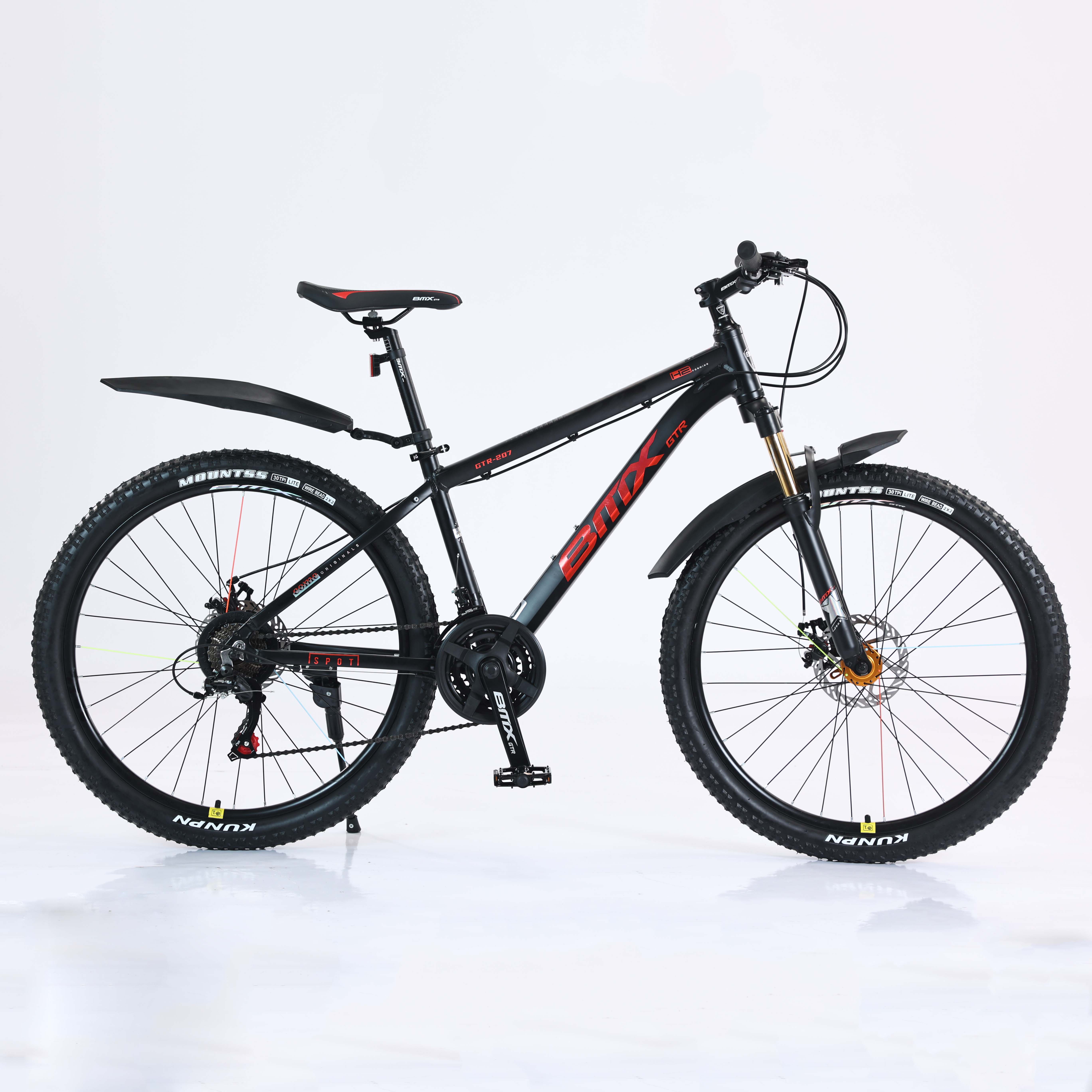
Ელექტრო ველოსიპედით გრძელი მანძილის მოგზაურობა ყოველ წელს უფრო მეტად ხშირად ხდება მოძრავი მოსახლეობის, თავგადასავლების მომხმარებლების და ეკოლოგიურად მოსახერხებელი მოგზაურობის მომხმარებლების შორის. გრძელი მანძილის მოგზაურობისთვის შესატანად სწორი ელექტრო ველოსიპედის არჩევა მოითხოვს რამდენიმე ფაქტორის საყურადღებო შეფასებას, მათ შორის ბატარეის ტევადობა, ძრავის სიმძლავრე, კომფორტის ფუნქციები და სრული მშენებლობის ხარისხი. ახალგაზრდული ელექტრო ველოსიპედები საშუალებას აძლევს გრძელი მანძილის გამოკვლევას უპრეცედენტო თავისუფლებით, რაც ეკოლოგიური მდგრადობასა და ტრადიციული სატრანსპორტო საშუალებებთან შედარებით სიფასოვნეს მოახდენს.
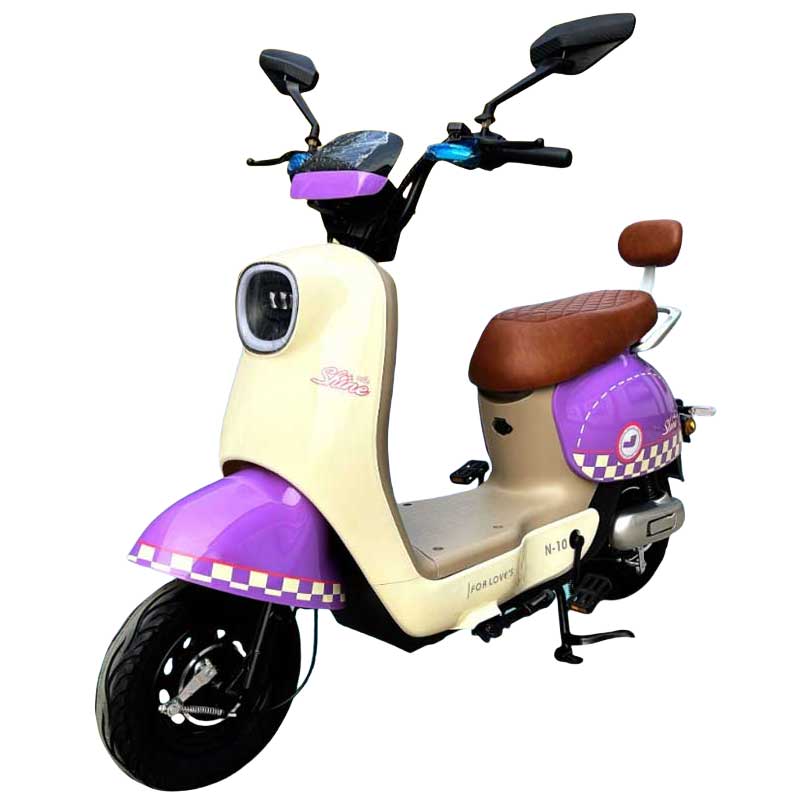
Ელექტროველოსიპედების ტექნოლოგიის ევოლუცია გარდაქმნის მანძილზე გრძელი მანძილების გავლას რთული გამოწვევიდან — ხელმისაწვდომ და სიამოვნებით სავსე გამოცდილობად ყველა ფიზიკური მომზადების დონის მომხმარებლებისთვის. საერთოდ, გრძელი მანძილების გავლის უმაღლესი შესაძლებლობების უზრუნველყოფას განსაზღვრავენ მთავარი ტექნიკური მახასიათებლები და ფუნქციები, რომლების გაგება საშუალებას მოგცემს გამოირჩეო განსაკუთრებული გადაწყვეტილობით შენ შემდეგი ელექტროველოსიპედის შეძენის დროს. სწორი არჩევანი შეიძლება წლების განმავლობაში საიმედო გადაადგილების საშუალებას და სასიამოვნო დასვენების შესაძლებლობას მოგაწოდოს, რაც თქვენი კონკრეტული მოგზაურობის მოთხოვნებს დააკმაყოფილებს.
Ნებისმიერი მაღალი სიმძლავრის ელექტროველოსიპედის გული მდებარეობს მის ბატარეაში, რომელიც პირდაპირ განსაზღვრავს მაქსიმალურ მანძილს და მთლიან საველოსიპედო გამოცდილებას. თანამედროვე ელექტროველოსიპედები ჩვეულებრივ იყენებენ ლითიუმ-იონურ ბატარეებს 36 ვოლტიდან 52 ვოლტამდე სისტემებში, ხოლო მათი ტევადობა იზომება ამპერ-საათებში (Ah). ხანგრძლივი მანძილების მოსაგერებლად შერჩეული ხარისხიანი ელექტროველოსიპედის ბატარეა უნდა იყოს მინიმუმ 48 ვოლტი და 15 ამპერ-საათი, რაც საკმარის ენერგიის საწყობარს უზრუნველყოფს ხშირად დასატენვად გაჩერების გარეშე გასავლელად.
Ბატარეის მოთავსება და დაცვა მნიშვნელოვნად გავლენას ახდენს როგორც ელექტროველოსიპედის მოწყობილობის სიკარგაზე, ასევე მისი სარგებლობის ხანგრძლივობაზე. ინტეგრირებული ბატარეის დიზაინი უკეთეს ესტეტიკურ გარეგნობას და საჭაროების დაცვას უზრუნველყოფს, ხოლო მოსახსნელი ბატარეები საშუალებას აძლევს მოხერხებულად მოახდინოთ მათი დატენვა. ხარისხიანი ბატარეის მართვის სისტემები თავიდან არიდებენ გადატენვას, გადაცხადებას და ღრმა გამოტენვის შემთხვევებს, რომლებიც ძვირადღირებული ბატარეის ელემენტების დაზიანებას შეიძლება გამოიწვიონ. როდესაც ელექტროველოსიპედების არჩევანს ახდენთ, უპირატესობა მიანიჭეთ მოდელებს, რომლებშიც საიმიდო ბატარეის ბრენდებია გამოყენებული და მოცემულია სრულყოფილი გარანტიის დაფარვა.
Ელექტროველოსიპედების წარმოებლების მიერ მოცემული სიგრძის მონაცემები ხშირად ასახავს იდეალურ პირობებს, რომლებიც იშვიათად ემთხვევა რეალური გამოყენების სცენარებს. მძღოლის წონა, რელიეფის სიმაღლე, ამინდის პირობები, დახმარების დონის არჩევა და მარშრუტის სტილი მკაცრად მოქმედებს ფაქტობრივ სიგრძეზე. რეალისტური მიდგომა ითხოვს წარმოებლის მიერ მოცემული მონაცემების 20–30%-ით შემცირებას, რათა ელექტროველოსიპედის გამოყენების პრაქტიკული მოლოდინები დადგენილი იყოს.
Სხვადასხვა პირობებში სიმძლავრის ტესტირება ეხმარება ელექტროველოსიპედის გამოყენების ოპტიმიზაციას მაქსიმალური ეფექტურობის მისაღებად. ეკო-რეჟიმები ჩვეულებრივ უზრუნველყოფს ყველაზე გრძელ სიმძლავრეს, რადგან ისინი შემცირებულ ძრავის დახმარებას უზრუნველყოფს, ხოლო სპორტული რეჟიმები მოწოდებენ მაქსიმალურ ძალას ბატარეის სიცოცხლის ხარჯზე. ამ კომპრომისების გაგება საშუალებას აძლევს ეფექტურად გადაწყვიტოთ გრძელი მოგზაურობები და არ შეხვდეთ გაუთვალისწინებელ სიმძლავრის შეზღუდვებს მნიშვნელოვანი მოგზაურობების დროს.
Ძრავის არჩევანი მნიშვნელოვნად მოახდენს გავლენას ველოსიპედით მოძრაობის გამოცდილებაზე და ელექტროველოსიპედის შესაძლებლობაზე გრძელი მანძილების გასავლელად. ჰაბ-ძრავები, რომლებიც მოთავსებულია წინა ან უკანა ბორბლებში, უზრუნველყოფს მარტივ ექსპლუატაციას და მინიმალურ მომსახურების მოთხოვნებს, ასევე უზრუნველყოფს ჩუმ მუშაობას და ამინდის მიმართ მეტ მეტყარეობას. თუმცა, პედალების მიმდებარე მოთავსებული მიდ-დრაივის ძრავები უკეთეს ასვლელობის შესაძლებლობას და უფრო ბუნებრივ მოძრაობის დინამიკას აძლევს, რადგან ისინი იყენებენ ველოსიპედის არსებულ გეარების სისტემას.
Საშუალო მდებარეობის ძრავები გრძელი მანძილების გასავლელად საერთოდ უკეთეს ეფექტურობასა და მართვის მახასიათებლებს აძლევენ, განსაკუთრებით როცა სხვადასხვა ტერენის პირობებს შეხვდებით. რამდენიმე გადაცემათა რიგის გამოყენების შესაძლებლობა ძრავას საშუალებას აძლევს მუშაობის საუკეთესო ეფექტურობის დიაპაზონში მოძრაობის გაგრძელებას, რაც გაზრდის ბატარეის სიცოცხლის ხანგრძლივობას და გააუმჯობესებს საერთო შედეგებს. ხარისხიანი ელექტროველოსიპედების წარმოებლები ხშირად საშუალო მდებარეობის სისტემებს მძლავრი გადაცემათა სისტემებთან აერთიანებენ, რომლებიც შეიძლება გამოიყენონ დამეხმარე სიარულის დროს წარმოქმნილი დამატებითი ტრანსმისიის ტვირთები.
Ძრავის სიმძლავრის რეიტინგები, რომლებიც ჩვეულებრივ ვატებში გამოიხატება, მიუთითებენ თქვენს ელექტროველოსიპედის სისტემაზე მოქმედი სიმძლავრის უწყვეტი გამომუშავების შესაძლებლობას. მიუხედავად იმისა, რომ ბევრი რეგიონის კანონით ელექტროველოსიპედების ძრავები 250 ვატიდან 750 ვატამდე შეზღუდულია, ფაქტობრივი შედეგები ძალზე მეტად არის დამოკიდებული სიმძლავრის მაქსიმალური მიწოდების და ტრანსმისიის მახასიათებლებზე. მაღალი ტრანსმისიის რეიტინგები უკეთეს აჩქარებასა და ბორცვებზე ასვლელობას უზრუნველყოფს, რაც განსაკუთრებით მნიშვნელოვანია სხვადასხვა ტერენის პირობებში გრძელი მანძილების გასავლელად.
Საერთოდ განვითარებული ელექტროველოსიპედების კონტროლერები მოდულირებენ ძალის მიწოდებას სენსორების მიერ მიღებული მონაცემების საფუძველზე, მათ შორის — ფეხის წნევა, პედალების ბრუნვის სიხშირე და სიჩქარის გაზომვები. ხარისხიანი სისტემები უზრუნველყოფენ სიმუშაო ძალის გადაცემას და მორგებადი დახმარების დონეებს, რაც გასაძლევარობას ამაღლებს გრძელი მარშრუტების განმავლობაში. მოძებნეთ ელექტროველოსიპედების მოდელები, რომლებსაც აქვთ პროგრამირებადი კონტროლერები, რომლებიც საშუალებას აძლევენ ძალის მიწოდების მახასიათებლების ზუსტ მორგებას თქვენს კონკრეტულ სასიარო სურვილებსა და მოთხოვნებს შესატყოლებლად.
Კომფორტი გახდება მთავარი კრიტერიუმი, როდესაც არჩევთ ელექტრო ველოსიპედი რომელიც განკუთვნილია გრძელი მანძილების გასავლელად. საყრდენის გეომეტრია მნიშვნელოვნად მოქმედებს სასიარო პოზიციაზე, წონის განაწილებაზე და სასიარო პოზიციაში გრძელი ხანის განმავლობაში მთლიან კომფორტზე. ამაღლებული სასიარო პოზიცია ამცირებს კისერსა და კურდულს მოქმედებას, ხოლო აგრესიული სპორტული პოზიცია შეიძლება მოგცეს აეროდინამიკური უპირატესობები, მაგრამ გრძელვადი კომფორტის ხარჯზე.
Ხარისხიანი საკაბელო სისტემები შთანთავსებენ გზის ვიბრაციებსა და შეჯახებებს, რომლებიც სხვა შემთხვევაში გამოიწვევენ მომხმარებლის დაღლილობას სხვადასხვა ტერენზე გრძელი მოგზაურობის დროს. წინა საკაბელო ფორკები და უკანა შოკის შემკავებლები ერთად მუშაობენ იმისთვის, რომ შეინარჩუნონ ბორბლების კონტაქტი გზის ზედაპირთან, ხოლო მკაცრი შეჯახები ფილტრდეს. ზოგიერთი ელექტროველოსიპედის მოდელი აღჭურვილია რეგულირებადი საკაბელო კომპონენტებით, რომლებიც საშუალებას აძლევენ მორგებას მომხმარებლის წონას, ტვირთის პირობებსა და ტერენის მიხედვით.
Გრძელი მანძილის ელექტროველოსიპედის მოგზაურობები ხშირად მოითხოვს დამატებითი მარაგების, ინსტრუმენტების და პირადი ნივთების გადატანას, რაც საჭიროებს საკმარისი საცავი ამოხსნებს. ინტეგრირებული ტვირთის რეილები, პანიერები და რამკა ჩანთები უზრუნველყოფს მოწყობილობის მართვის მახასიათებლებზე მნიშვნელოვანი გავლენის გარეშე მოწესრიგებულ საცავს. ზოგიერთი ელექტროველოსიპედის დიზაინი ჩამორჩენილია საცავის განყოფილებებით რამკის სტრუქტურაში, რაც მგრძნობარე ელექტრონული კომპონენტებისა და ძვირფასი ნივთების ამინდის გავლენისგან დაცვას უზრუნველყოფს.
Წონის განაწილება მნიშვნელოვან როლს ასრულებს სტაბილური მართვის მახასიათებლების შენარჩუნებაში გრძელი მოგზაურობის დროს ტვირთით დატვირთულ მდგომარეობაში. ქვედა მდებარეობის ტვირთის პოზიციები ეხმარება ელექტროველოსიპედის მასის ცენტრის შენარჩუნებას, ხოლო ზედა მდებარეობის ტვირთები შეიძლება უარყოფითად იმოქმედოს მართვის რეაქციასა და სტაბილურობას. განიხილეთ თქვენი ტიპური ტვირთის მოთხოვნები სხვადასხვა ელექტროველოსიპედის კონფიგურაციებისა და ხელმისაწვდომი აქსესუარების შეფასების დროს.
Თანამედროვე ელექტროველოსიპედების ეკრანების სისტემები მიაწოდებენ საჭიროების მიხედვით ძირევად მნიშვნელოვან ინფორმაციას, მათ შორის — აკუმულატორის დონეს, სიჩქარეს, გავლილ მანძილას და დახმარების რეჟიმის არჩევას. განვითარებული ეკრანები სთავაზობენ GPS ნავიგაციას, სმარტფონთან დაკავშირების შესაძლებლობას და სავარჯიშო მონაცემების რეგისტრაციის ფუნქციებს, რაც გრძელი მანძილის მოგზაურობის გამოცდილებას აუმჯობესებს. ფერადი ეკრანები კარგი გარე ხილვადობით უზრუნველყოფს მნიშვნელოვანი ინფორმაციის ხილვადობას ნებისმიერი სინათლის პირობებში თქვენს მოგზაურობას დროს.
Სმარტფონის ინტეგრაცია საშუალებას აძლევს დამატებითი ფუნქციების გამოყენებას, მაგალითად, მარშრუტის გეგმირება, ფიტნესის მონიტორინგი და რემოტული ელექტროველოსიპედის მონიტორინგი. ზოგიერთი სისტემა საკრძალო დაცვას აძლევს GPS ტრეკინგისა და რემოტული იმობილიზაციის ფუნქციების მეშვეობით, რაც უფრო მეტ უსაფრთხოებას აძლევს საერთო სივრცეებში დატოვების დროს გრძელი მანძილების გასავლელად. შეაფასეთ ამ დაკავშირებული ფუნქციების მნიშვნელობა სხვადასხვა ელექტროველოსიპედის მოდელების შეფასების დროს და დაკავშირებული საბარათე საფასურები.
Ინტეგრირებული სინათლეების სისტემები უზრუნველყოფს ხილვადობას დილის ადრეულ ან საღამოს მოძრაობის დროს, რაც ხშირად ხდება გრძელი მანძილების ელექტროველოსიპედით გასავლელად. ხარისხიანი LED ფარები და უკანა სინათლეები, რომლებიც მთავარი აკუმულატორიდან იღებენ ენერგიას, აცილებს ცალკე აკუმულატორების მოვლის საჭიროებას და საიმედო განათებას უზრუნველყოფს. ზოგიერთი ელექტროველოსიპედის მოდელი ავტომატურად ჩართავს სინათლეებს გარემოს სინათლის პირობების მიხედვით.
Საკრძალო ფუნქციები მნიშვნელოვნად მოიმატებენ მნიშვნელობას ღირებული ელექტროველოსიპედების ინვესტიციებისთვის, განსაკუთრებით გრძელი მოგზაურობის მარშრუტების განმავლობაში ღამის გასატარებლად განკუთვნილ შეჩერებებზე. ელექტრონული კონტროლის სისტემები, GPS მონიტორინგის სისტემები და სიგნალიზაციის შესაძლებლობები უზრუნველყოფენ უსაფრთხოების რამდენიმე დამატებით დაცვის დონეს. ფიზიკური უსაფრთხოების საშუალებები, როგორიცაა ინტეგრირებული გასასრულებლები და ამოსაღებლი ბატარეის სისტემები, ასევე აფერხებენ შემთხვევითი საკრძალო აქტების შესაძლებლობას და საშუალებას აძლევენ უსაფრთხო დაყენებას სხვადასხვა ადგილას.
Გრძელი მანძილის ელექტროველოსიპედების მოგზაურობა მოითხოვს სანდო კომპონენტებს, რომლებიც შეძლებენ გრძელი გამოყენების და სხვადასხვა გარემოს პირობების წინააღმდეგ წინააღმდეგობის გაწევას. სანდო წარმოებლების ხარისხიანი მექანიკური სისტემების კომპონენტები უზრუნველყოფენ უფრო სიმშრალეს და გრძელი სამსახურის ხანგრძლივობას, მათ შორის ელექტროველოსიპედების სისტემების გამოწვეული გაზრდილი ტვირთების პირობებშიც. დახურული საყრდენები, კოროზიის წინააღმდეგ მასალები და მტკიცე კონსტრუქციული ტექნიკები წვლილი შეაქვს გრძელვადი სანდოების უზრუნველყოფაში და მომსახურების საჭიროებების შემცირებაში.
Საბრეკეტო სისტემებს ელექტროველოსიპედების შემთხვევაში განსაკუთრებული ყურადღება სჭირდება, რადგან მათი სიჩქარე და წონა ტრადიციული ველოსიპედების შედარებით მნიშვნელოვნად მაღალია. ჰიდრავლიკური დისკური საბრეკეტო სისტემები მექანიკური ალტერნატივების შედარებით უკეთეს შეჩერების ძალასა და მოდულაციას აძლევს, ხოლო დიდი დიამეტრის როტორები გრძელი დაშევების დროს სითბოს გამოყოფას აუმჯობესებს. ხარისხიანი საბრეკეტო კომპონენტები გარანტირებს მუდმივ შედეგიანობას მიუხედავად იმ ამინდის პირობების, რომლებშიც ხშირად ხდება გრძელი მანძილების გავლა.
Დამტკიცებული სერვისის ქსელით მომუშავე წარმოებლების ელექტროველოსიპედების შერჩევა უზრუნველყოფს კვალიფიციური ტექნიკოსების და ავტენტური შეცვლადი ნაკეთობათა ხელმისაწვდომობას საჭიროების შემთხვევაში. საკუთარი რეგიონის დილერის მხარდაჭერა განსაკუთრებით მნიშვნელოვანი ხდება რთული ელექტროსისტემების დიაგნოსტიკისა და გარანტიის სერვისის მოთხოვნების შესრულების დროს. ელექტროველოსიპედის შერჩევის დროს გაითვალისწინეთ სერვისის ადგილების ხელმისაწვდომობა თქვენი ჩვეულებრივი მარშრუტების გასწვრივ.
Ნაკლებად სტანდარტიზებული და თავსებადი ნაკეთობანი მოქმედებს ელექტროველოსიპედის შეძენის გრძელვადიან ფლობაზე და მომსახურების სიხშირეზე. მოდელები, რომლებიც გამოიყენებენ საერთაშორისო სტანდარტებს კომპონენტებისთვის, როგორიცაა გუმი, ჯაჭვი და საჭანაჭარო ფილტრები, საშუალებას აძლევენ მეტი მოქნილობის და კონკურენტული ფასების მიღებას შეცვლადი ნაკეთობნების შეძენის დროს. ექსკლუზიური კომპონენტები შეიძლება მისცეს სასრული მომსახურების უპირატესობები, მაგრამ ელექტროველოსიპედის სიცოცხლის განმავლობაში შეიძლება გამოიწვიოს მაღალი ხარჯები და შეზღუდული ხელმისაწვდომობა.
Სერიოზული გრძელი მანძილებისთვის მიზანშეწონილია აირჩიოთ ელექტროველოსიპედის მოდელები, რომლებსაც აქვთ მინიმუმ 600–700 ვატ-საათი ბატარეის ტევადობა, რაც ჩვეულებრივ 48 ვოლტი 15 ამპე-საათი ან 52 ვოლტი 14 ამპე-საათი კონფიგურაციებით მიიღება. ეს ტევადობა საშუალებას აძლევს 40–80 მილი მანძილის გავლას, რაც დამოკიდებულია რელიეფზე, მეორე მომხმარებლის მონაწილეობაზე და გამოყენებულ დახმარების დონეზე. უფრო დიდი ტევადობის ბატარეები გაძლიერებულ მანძილს აძლევენ, მაგრამ ამავე დროს იზრდება წონა და ფასი, ამიტომ აუცილებელია თქვენი კონკრეტული მანძილის მოთხოვნების დაკმაყოფილება ამ კომპრომისებს შორის გამოსათვლელად.
Შუა მოთავსებული ძრავები საერთოდ უზრუნველყოფს უკეთეს სამუშაო მახასიათებლებს გრძელი მანძილის ელექტროველოსიპედების გამოყენებისთვის, რადგან უკეთესად ანაწილებენ წონას, გაუმჯობესებენ ასვლების შესაძლებლობას და ამცირებენ ენერგიის მოხმარებას სხვადასხვა ტერენზე. ველოსიპედის გეარების სისტემის გამოყენების შესაძლებლობა საშუალებას აძლევს ძრავას მუშაობის ყველაზე ეფექტურ რეჟიმში მუშაობის შესაძლებლობას, რაც გრძელი მარშრუტების დროს არეგულირებს ბატარეის სიცოცხლის ხანგრძლივობას. ჰაბის ძრავები კარგად მუშაობენ ბრტყელ ტერენზე, მაგრამ შეიძლება გამოიჩინონ სიძლიერის დაკარგვა გრძელი ასვლების დროს, რომლებიც ხშირად ხდება გრძელი მანძილის მოძრაობის დროს.
Რეგულარული ელექტროველოსიპედების მოვლა მოიცავს სტანდარტული ველოსიპედების კომპონენტების მოვლას, ასევე ელექტროსისტემის მოვლას, როგორიცაა აკუმულატორის მოვლა, შეერთებების გასუფთავება და პროგრამული უზრუნველყოფის ახდენა. მოელოდეთ ძრავის სისტემის კომპონენტების უფრო ხშირად მოვლას, რადგან ელექტროველოსიპედები მეტი ტვირთის ქვეშ და უფრო ხშირად იყენება ტრადიციული ველოსიპედების შედარებით. გამოიყოფეთ საშუალება პერიოდულად პროფესიონალური მომსახურების მიღებისთვის, რათა შეინარჩუნოთ გარანტიის მოქმედება და უზრუნველყოფის სისტემების სწორი მუშაობა უზრუნველყოფის სისტემების სირთულის გამო.
Ელექტროველოსიპედების რეგულაციები მნიშვნელოვნად განსხვავდება რეგიონებს შორის და ეხება ძრავის სიმძლავრის ზღვარს, სიჩქარის შეზღუდვებს და იმ ადგილებს, სადაც საკანონოდ შეგიძლიათ ელექტროველოსიპედით მოძრაობა. შეისწავლეთ ადგილობრივი კანონები თქვენი გამოსაყენებლად განკუთვნილი მარშრუტების გასწვრივ, რადგან ზოგიერთ ადგილას ელექტროველოსიპედების წვდომა შეზღუდულია გარკვეული ბილიკებზე ან მაღალი სიმძლავრის მოდელების რეგისტრაცია მოითხოვება. ამ რეგულაციების გაგება სამართლებრივი პრობლემების თავიდან აცილებას და თქვენს გამოსაყენებლად განკუთვნილი თავგადასავლების შესაბამისი ელექტროველოსიპედის არჩევას უზრუნველყოფს.
 Ახალი სიახლეები
Დაარსებული 2017 წელს, ხებეი ლეიშუო ტექნოლოჯი კო., ლტდ. ფლობს 13 000 მ² ფართობის საწარმოს ორი წარმოების ხაზით და თვეში 10 000 ერთეულის საწარმოო შესაძლებლობით. ჩვენ ვაწარმოებთ ელექტრო ველოსიპედებს, ელექტრო ტრიციკლეტებს და მთის ველოსიპედებს OEM/ODM მყიდველებისთვის 40-ზე მეტი ქვეყნის მასშტაბით.
Room 2418, Building 2, Jinding International Plaza, Xindu District, Xingtai City, Hebei Province, China
Copyright © 2026 by Hebei Leishuo Technology Co., Ltd. Კონფიდენციალურობის პოლიტიკა

 EN
EN