Choosing the right long range electric bike for extended travel requires careful consideration of multiple factors that directly impact your riding experience. Modern electric bicycles have evolved significantly, offering impressive distances on a single charge while maintaining comfort and reliability. Whether you're planning cross-country adventures or daily long-distance commutes, understanding the key specifications and features will help you make an informed decision that meets your specific travel needs.
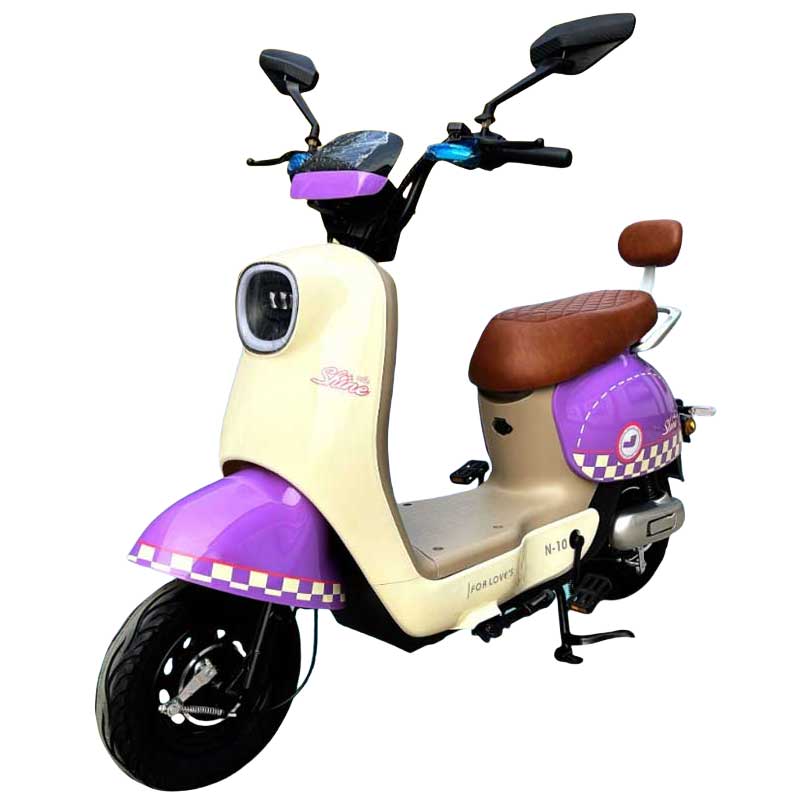
The electric bike market has experienced tremendous growth as more riders discover the benefits of extended-range cycling. A quality long range electric bike can transform your travel experience, providing the freedom to explore greater distances without the physical strain of traditional cycling. These advanced machines combine cutting-edge battery technology, efficient motor systems, and ergonomic designs to deliver exceptional performance across various terrains and conditions.
The heart of any long range electric bike lies in its battery system, which determines how far you can travel on a single charge. Modern electric bikes typically feature lithium-ion batteries with capacities ranging from 400Wh to 1000Wh or more. Higher capacity batteries generally provide greater range, but the actual distance depends on various factors including rider weight, terrain, weather conditions, and assistance level used during the ride.
Voltage systems play a crucial role in overall performance, with most quality electric bikes operating on 36V, 48V, or 52V systems. Higher voltage configurations often deliver more power and efficiency, particularly beneficial for long-distance travel where consistent performance matters. When evaluating battery specifications, consider both the amp-hour rating and voltage to calculate the total watt-hours, which provides a more accurate indication of range potential.
Efficient charging capabilities become essential when planning extended trips with your long range electric bike. Most modern batteries can be fully charged within 4-6 hours, though some fast-charging systems reduce this time significantly. Consider models with removable batteries for convenient charging, especially if you plan to charge indoors or at locations where bringing the entire bike isn't practical.
Advanced battery management systems protect against overcharging, overheating, and deep discharge, extending battery lifespan and maintaining consistent performance. These systems monitor individual cell voltages and temperatures, ensuring optimal operation throughout the battery's life cycle. Some premium models include smartphone connectivity for real-time battery monitoring and range estimation.
Motor selection significantly impacts the performance characteristics of your long range electric bike, with three primary configurations available: hub motors (front or rear) and mid-drive motors. Hub motors provide direct wheel propulsion and are generally more affordable and maintenance-friendly. Rear hub motors offer better traction and weight distribution compared to front hub configurations, making them suitable for varied terrain encountered during long-distance travel.
Mid-drive motors position the motor at the bike's center, providing excellent weight distribution and allowing the motor to utilize the bike's gearing system. This configuration delivers superior hill-climbing performance and more natural riding feel, particularly beneficial during extended rides where terrain varies significantly. Mid-drive systems typically offer better efficiency and range compared to hub motors, especially on challenging terrain.
Motor power ratings, typically measured in watts, indicate the continuous power output available for propulsion. Most long range electric bike models feature motors between 250W and 750W, with higher wattage providing more assistance but potentially reducing range. European regulations limit motors to 250W, while North American markets often allow up to 750W for Class 3 electric bikes.
Torque specifications, measured in Newton-meters, indicate the motor's ability to provide strong acceleration and hill-climbing capability. Higher torque values benefit riders tackling steep inclines or carrying additional cargo during long-distance travel. Quality motors deliver torque smoothly across the entire RPM range, providing consistent assistance regardless of riding speed or terrain conditions.
Frame construction directly impacts the comfort and durability of your long range electric bike during extended rides. Aluminum frames offer an excellent balance of weight, strength, and cost-effectiveness, while carbon fiber frames provide superior vibration damping and lighter weight at a premium price point. Steel frames, though heavier, offer exceptional durability and comfortable ride quality due to their natural flex characteristics.
Geometry considerations become crucial for long-distance comfort, with touring-oriented designs featuring longer wheelbases, relaxed head angles, and upright riding positions. These design elements reduce fatigue during extended rides while providing stable handling characteristics essential for loaded touring or commuting applications. Proper frame sizing ensures optimal power transfer and rider comfort throughout long journeys.
Suspension systems significantly enhance comfort during long-distance travel on varied terrain. Front suspension forks absorb impacts from road irregularities, reducing fatigue and improving control. Full suspension systems, featuring both front and rear suspension, provide maximum comfort but add weight and complexity to your long range electric bike configuration.
Comfort components including ergonomic handlebars, quality saddles, and vibration-damping grips contribute to rider comfort during extended rides. Adjustable components allow fine-tuning of riding position to minimize pressure points and maintain proper posture throughout long journeys. Consider models with multiple hand positions and easily adjustable seat heights for optimal comfort customization.
Maximizing the range of your long range electric bike requires understanding the various factors that influence battery consumption. Rider weight, cargo load, and riding style significantly impact range, with aggressive acceleration and high assistance levels consuming more battery power. Terrain plays a crucial role, with hills and headwinds dramatically reducing range compared to flat, calm conditions.
Tire pressure, rolling resistance, and mechanical condition affect efficiency and range. Properly inflated tires with low rolling resistance compounds can improve range by 10-15% compared to under-inflated or high-resistance alternatives. Regular maintenance ensures optimal drivetrain efficiency, preventing power loss due to chain friction, brake drag, or bearing resistance.
Most long range electric bike models offer multiple assistance modes, allowing riders to balance power consumption with desired effort levels. Eco modes provide minimal assistance while maximizing range, perfect for flat terrain or when battery conservation is priority. Higher assistance modes deliver more power but consume battery faster, ideal for hills or when speed is more important than maximum range.
Smart energy management involves strategically using different assistance modes throughout your journey. Starting with higher assistance for initial acceleration or steep climbs, then reducing to eco mode for flat sections can optimize overall range. Some advanced systems include automatic mode selection based on terrain detection and remaining battery capacity.
Comprehensive display systems provide crucial information for long-distance travel planning and execution. Quality displays show battery level, remaining range estimates, current speed, trip distance, and assistance mode selection. Advanced systems include GPS navigation, smartphone connectivity, and real-time performance monitoring to enhance the long range electric bike experience.
Range estimation accuracy becomes critical during extended rides, with sophisticated algorithms considering rider input, terrain data, and historical performance to provide reliable predictions. Some systems learn from your riding patterns and adjust estimates accordingly, improving accuracy over time. Integrated navigation reduces the need for separate devices while providing turn-by-turn directions optimized for cycling routes.
Long-distance travel often requires carrying additional gear, making cargo capacity an important consideration when selecting your long range electric bike. Integrated mounting points for racks, panniers, and bags provide secure attachment without affecting handling characteristics. Some models include built-in cargo areas or the ability to accommodate trailers for extended touring applications.
Lighting systems, fenders, and other practical accessories enhance safety and comfort during long rides. Integrated lighting powered by the main battery eliminates the need for separate charging while providing consistent illumination. Quality fenders protect against road spray and debris, while ergonomic grips and saddles reduce fatigue during extended riding sessions.
Selecting a long range electric bike with high-quality components ensures reliability during extended travel when mechanical issues could strand you far from assistance. Premium drivetrains, brakes, and electrical systems resist wear and provide consistent performance over thousands of miles. Established component manufacturers typically offer better warranty coverage and parts availability compared to generic alternatives.
Weatherproofing becomes crucial for long-distance reliability, with quality seals protecting electrical connections and battery compartments from moisture infiltration. Look for IP ratings indicating water and dust resistance levels, particularly important if you plan to ride in varied weather conditions or store the bike outdoors during multi-day tours.
Consider the manufacturer's service network and technical support when investing in a long range electric bike for serious travel applications. Established brands typically offer better warranty coverage, parts availability, and technical documentation compared to newer or direct-import alternatives. Local dealer networks provide convenient service access and often stock common replacement parts.
Diagnostic capabilities and error code systems help identify issues quickly when problems arise during travel. Some advanced systems include remote diagnostic capabilities, allowing technical support to assess problems and provide guidance without physical inspection. User-serviceable components and clear maintenance documentation enable basic repairs and adjustments during extended trips.
Most long range electric bike models provide 40-80 miles of range on a single charge under normal conditions, though this varies significantly based on battery capacity, terrain, rider weight, and assistance level used. Premium models with large batteries can exceed 100 miles under optimal conditions, while factors like hills, headwinds, and high assistance modes can reduce range by 30-50% compared to manufacturer claims.
Quality lithium-ion batteries in long range electric bike applications typically provide 500-1000 full charge cycles before capacity drops to 80% of original performance. With proper care and moderate usage, this translates to 3-5 years of service life for most riders. Battery lifespan depends on charging habits, storage conditions, and usage patterns, with partial charging and avoiding extreme temperatures extending overall life.
Yes, most long range electric bike models can be ridden without motor assistance, functioning like traditional bicycles. However, the additional weight from motor and battery components (typically 15-25 pounds) makes pedaling more challenging compared to conventional bikes. Some systems include multiple assistance levels including zero assistance, while others may have slight motor drag when unpowered.
Long range electric bike maintenance includes regular battery charging (avoiding complete discharge), keeping electrical connections clean and dry, and periodic software updates when available. Motor maintenance varies by type, with hub motors requiring minimal service while mid-drive motors may need periodic gear oil changes. Regular inspection of wiring, connectors, and mounting hardware prevents issues and ensures reliable performance during extended travel.

Founded in 2017, Hebei Leishuo Technology Co., Ltd. operates a 13,000 m² factory with two production lines and monthly capacity of 10,000 units. We manufacture electric bikes, electric tricycles and mountain bikes for OEM/ODM buyers in 40+ countries.
Room 2418, Building 2, Jinding International Plaza, Xindu District, Xingtai City, Hebei Province, China
Copyright © 2026 by Hebei Leishuo Technology Co., Ltd. Privacy Policy

 EN
EN

 Hot News