The electric bicycle market has experienced unprecedented growth, creating lucrative opportunities for retailers and distributors seeking to capitalize on this expanding industry. When sourcing wholesale electric bikes, understanding the essential features and specifications becomes critical for business success. The right selection can differentiate your offerings in a competitive marketplace while ensuring customer satisfaction and repeat business. Modern consumers demand high-quality, reliable electric bicycles that deliver exceptional performance and value. Navigating the wholesale electric bike landscape requires careful consideration of multiple factors, from technical specifications to manufacturer reliability. This comprehensive guide explores the fundamental aspects that should influence your wholesale electric bike sourcing decisions.
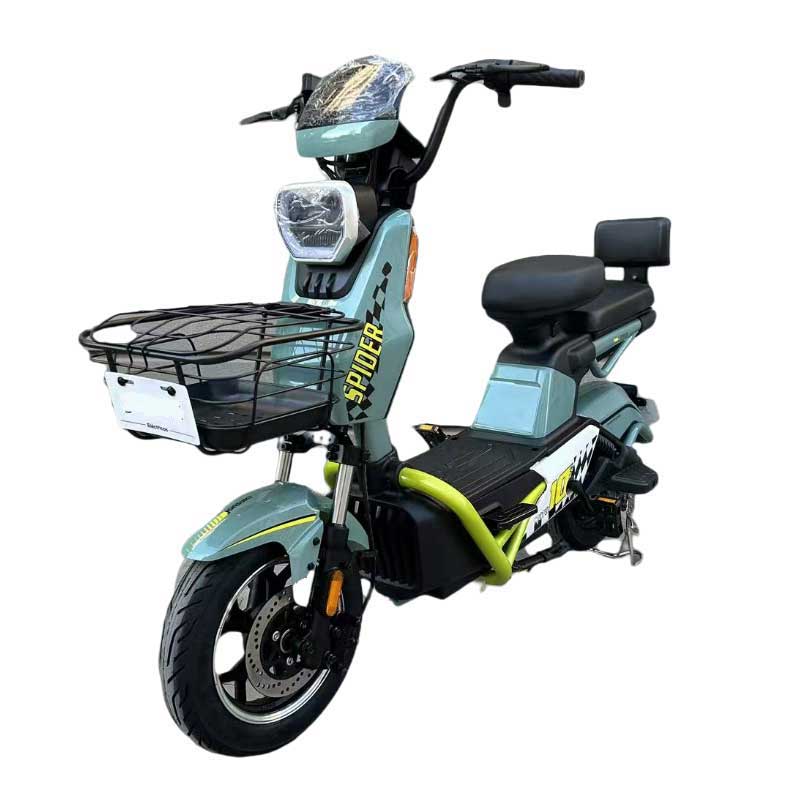
The motor system represents the heart of any electric bicycle, directly impacting performance, efficiency, and customer satisfaction. When evaluating wholesale electric bikes, prioritize models featuring brushless DC motors ranging from 250W to 750W, depending on your target market requirements. Higher wattage motors provide superior hill-climbing capabilities and faster acceleration, appealing to performance-oriented consumers. Consider the motor placement carefully, as hub motors offer simplicity and lower maintenance, while mid-drive motors provide better weight distribution and natural pedaling feel.
Motor efficiency ratings significantly affect battery life and overall riding experience. Look for motors with efficiency ratings above 85%, ensuring optimal energy utilization and extended range capabilities. Temperature management features prevent overheating during extended use, maintaining consistent performance across various riding conditions. Advanced motor controllers with multiple power modes allow riders to customize their experience, from eco-friendly commuting to high-performance recreation.
Lithium-ion battery technology dominates the modern electric bicycle market due to its superior energy density and longevity. When sourcing wholesale electric bikes, focus on models equipped with high-quality lithium-ion batteries featuring capacities between 400Wh and 750Wh for optimal balance between range and weight. Battery placement affects the bicycle's center of gravity and aesthetic appeal, with integrated designs becoming increasingly popular among consumers.
Charging time and cycle life directly impact customer satisfaction and long-term value proposition. Seek batteries offering fast charging capabilities, ideally achieving 80% capacity within 4-6 hours. Quality batteries should provide 500-800 charge cycles while maintaining 80% capacity, ensuring years of reliable service. Battery management systems with protection against overcharging, overheating, and short circuits enhance safety and longevity, reducing warranty claims and customer service issues.
Frame material selection significantly influences weight, durability, and price points of wholesale electric bikes. Aluminum alloy frames provide excellent strength-to-weight ratios while resisting corrosion, making them ideal for diverse climate conditions. High-tensile steel frames offer superior durability and repairability at lower costs, appealing to budget-conscious consumers. Carbon fiber frames deliver premium lightweight performance but require careful handling and higher price points.
Welding quality and construction techniques directly affect frame longevity and safety. Examine frame joints for consistent, clean welds without visible gaps or irregularities. Reinforcement areas around motor mounts, battery compartments, and high-stress points should demonstrate robust construction. Powder coating or anodizing finishes provide superior corrosion resistance compared to basic paint applications, ensuring attractive appearance retention over time.
Bicycle geometry affects rider comfort, handling characteristics, and market appeal across different demographic segments. Step-through designs accommodate riders with mobility limitations while maintaining structural integrity. Adjustable components, including seat height, handlebar position, and stem angle, allow customization for various rider sizes and preferences. Consider frame sizes spanning small to extra-large to maximize market coverage and customer satisfaction.
Weight distribution plays a crucial role in handling and stability, particularly with added motor and battery components. Well-designed wholesale electric bikes maintain balanced weight distribution, preventing awkward handling or front-wheel lifting during acceleration. Mounting points for accessories like racks, fenders, and lights enhance versatility and appeal to commuter-focused consumers seeking practical transportation solutions.
Modern electric bicycles require intuitive control systems that enhance the riding experience without overwhelming users. LCD or LED displays should provide essential information including speed, battery level, distance traveled, and power mode selection. Waterproof displays with adequate brightness for various lighting conditions ensure reliable operation across different environments. User-friendly button layouts allow easy operation while wearing gloves or during challenging riding conditions.
Advanced display features like GPS navigation, smartphone connectivity, and trip logging appeal to tech-savvy consumers willing to pay premium prices. USB charging ports integrated into the display unit provide convenient mobile device charging during rides. Theft protection features, including electronic locks and alarm systems, address security concerns common among urban electric bicycle users.
Pedal assist systems rely on sophisticated sensor technology to deliver smooth, natural power delivery. Torque sensors provide more intuitive assistance by measuring pedaling force, while cadence sensors offer reliable, cost-effective operation based on pedaling speed. High-quality wholesale electric bikes feature multiple sensor types working together to optimize performance and user experience.
Response time and sensitivity adjustments allow customization for different riding styles and preferences. Brake sensors immediately cut motor power when brakes are applied, ensuring safety during emergency stops. Speed sensors accurately monitor wheel rotation to maintain legal compliance and optimize power delivery across different terrain types.
International safety certifications ensure wholesale electric bikes meet rigorous quality and safety standards required for legal operation in target markets. CE marking indicates European conformity, while UL certification demonstrates compliance with North American safety standards. These certifications reduce liability risks and facilitate smooth import processes across different jurisdictions.
Battery certifications, including UN38.3 for lithium-ion transport safety, enable safe shipping and reduce potential hazards during storage and handling. IP ratings for electrical components indicate water and dust resistance levels, crucial for reliable operation in adverse weather conditions. Regular testing protocols and quality documentation demonstrate manufacturer commitment to consistent product quality.
ISO certification and quality management systems indicate systematic approaches to manufacturing excellence and continuous improvement. Factory audits and third-party inspections provide insights into production capabilities and quality control processes. Consistent quality across production batches reduces warranty claims and customer dissatisfaction, protecting brand reputation and profitability.
Traceability systems enable identification of component sources and production dates, facilitating effective recall procedures if necessary. Pre-delivery inspection protocols ensure each unit meets specifications before shipping, reducing defect rates and customer service burden. Quality documentation packages support warranty claims processing and provide technical information for service centers.
Understanding target market segments enables strategic selection of wholesale electric bikes that align with customer preferences and budget constraints. Commuter-focused models emphasize practicality, reliability, and weather protection, while recreational models prioritize comfort and versatility. Performance-oriented consumers seek advanced features, premium components, and superior build quality, justifying higher price points.
Demographic analysis reveals preferences for specific features and design elements. Urban professionals value compact designs, integrated locks, and professional appearance for daily commuting. Recreational riders prefer comfort features, accessory compatibility, and attractive styling for weekend adventures. Senior consumers often require step-through designs, stable handling, and simple controls for safe, enjoyable riding experiences.
Wholesale electric bikes must deliver compelling value propositions that differentiate products from competitors while maintaining healthy profit margins. Feature-to-price ratios should align with market expectations and competitive offerings. Premium features justify higher prices only when target customers value and utilize those capabilities effectively.
Volume pricing structures and minimum order quantities affect inventory investment and cash flow requirements. Flexible ordering terms and seasonal pricing adjustments help optimize inventory management and profitability. Consider total cost of ownership, including shipping, duties, and potential warranty costs, when evaluating wholesale electric bikes pricing structures.
Establishing strong relationships with reliable wholesale electric bikes suppliers ensures consistent product availability and quality standards. Evaluate manufacturer history, financial stability, and reputation within the industry through reference checks and industry associations. Clear communication channels and responsive customer service support smooth business operations and issue resolution.
Production capacity and scalability determine ability to meet growing demand and seasonal fluctuations. Flexible manufacturing schedules accommodate custom specifications and private labeling requirements. Regular facility visits and relationship building foster mutual understanding and collaborative problem-solving approaches.
Comprehensive technical documentation, including service manuals, parts diagrams, and troubleshooting guides, supports effective customer service and warranty repairs. Training programs for sales staff and service technicians enhance product knowledge and customer satisfaction. Regular updates on new models, features, and technical improvements keep retailers informed about market developments.
Warranty support programs and replacement parts availability ensure long-term customer satisfaction and repeat business. Expedited shipping for critical components minimizes customer downtime during repairs. Technical hotlines and online support resources provide immediate assistance for complex technical issues.
The wholesale electric bikes industry continues evolving rapidly, with new technologies and features regularly entering the market. Smart connectivity features, including GPS tracking, smartphone integration, and remote diagnostics, represent growing consumer expectations. Artificial intelligence and machine learning applications optimize battery management and power delivery for enhanced performance and efficiency.
Sustainable manufacturing practices and eco-friendly materials align with increasing environmental consciousness among consumers. Recyclable components and responsible sourcing demonstrate corporate social responsibility while appealing to environmentally conscious market segments. Energy recovery systems and regenerative braking technology extend range while reducing environmental impact.
Evolving regulations regarding wholesale electric bikes specifications, safety requirements, and operation parameters require adaptable product selections. Stay informed about pending legislation and regulatory changes that might affect product compliance and market access. Flexible supplier relationships enable quick adaptation to new requirements and standards.
Infrastructure development, including charging stations and dedicated cycling lanes, influences consumer adoption and product requirements. Market education initiatives and promotional support from manufacturers help drive consumer awareness and adoption. Collaborative industry efforts promote responsible riding practices and positive public perception of electric bicycles.
The optimal motor power range for wholesale electric bikes typically falls between 250W and 750W, depending on target market requirements and local regulations. 250W motors meet European legal limits while providing adequate assistance for flat terrain and light hills. 500W-750W motors offer superior performance for diverse terrain and heavier riders, making them popular in North American markets where higher power limits are permitted.
Battery capacity directly impacts range, customer satisfaction, and market competitiveness of wholesale electric bikes. Capacities between 400Wh and 750Wh provide optimal balance between range, weight, and cost for most applications. Higher capacity batteries justify premium pricing through extended range capabilities, while smaller batteries serve budget-conscious consumers with shorter commuting needs. Consider charging time, cycle life, and replacement costs alongside capacity specifications.
Essential certifications for wholesale electric bikes vary by target market but commonly include CE marking for European markets, UL certification for North America, and FCC compliance for electronic components. Battery certifications like UN38.3 enable safe shipping and storage, while IP ratings indicate weather resistance levels. Additional regional certifications may be required for specific markets, making supplier certification support crucial for international operations.
Frame material selection significantly impacts weight, durability, cost, and market positioning of wholesale electric bikes. Aluminum alloy frames offer excellent strength-to-weight ratios and corrosion resistance, suitable for mid-range to premium markets. Steel frames provide durability and repairability at lower costs, appealing to budget-conscious consumers. Carbon fiber delivers premium lightweight performance but requires careful handling and commands higher prices, targeting performance-oriented market segments.

Founded in 2017, Hebei Leishuo Technology Co., Ltd. operates a 13,000 m² factory with two production lines and monthly capacity of 10,000 units. We manufacture electric bikes, electric tricycles and mountain bikes for OEM/ODM buyers in 40+ countries.
Room 2418, Building 2, Jinding International Plaza, Xindu District, Xingtai City, Hebei Province, China
Copyright © 2026 by Hebei Leishuo Technology Co., Ltd. Privacy Policy

 EN
EN

 Hot News