When businesses engage in mountain bike procurement for their operations, material selection becomes a critical factor that directly impacts performance, durability, and return on investment. Modern commercial fleets increasingly incorporate electric bike technology to enhance operational efficiency across diverse terrain applications. The shift toward electrified mountain bike solutions requires procurement managers to evaluate material compositions that can withstand both mechanical stress and electrical component integration while maintaining cost-effectiveness for bulk purchasing decisions.
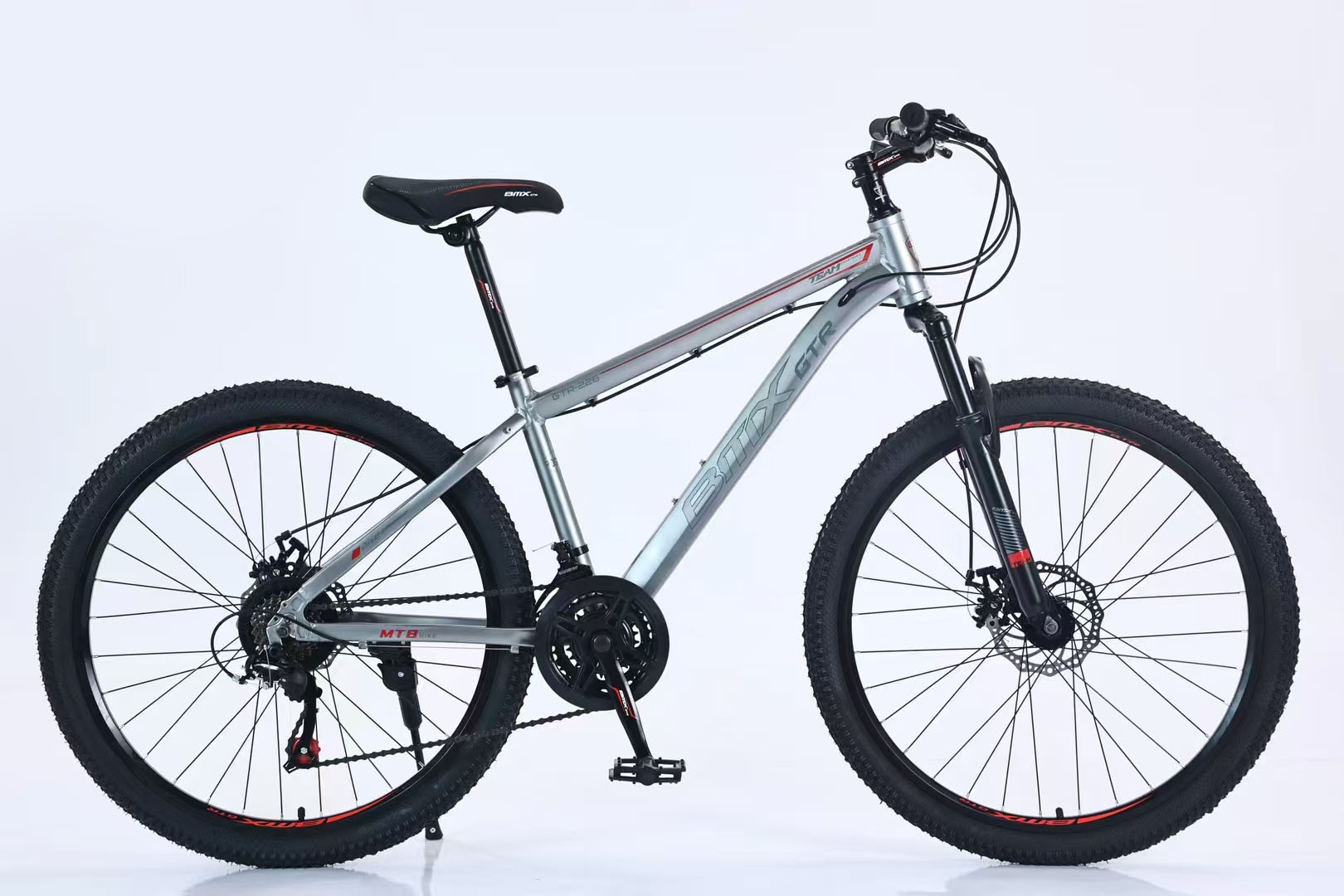
Material engineering in commercial mountain bike applications demands careful consideration of weight distribution, corrosion resistance, and manufacturing scalability. Organizations must balance premium material investments against operational lifespan expectations while ensuring their fleet maintains consistent performance across varying environmental conditions. The integration of electric bike systems adds complexity to material selection processes, as frames must accommodate battery mounting systems, wiring harnesses, and motor integration points without compromising structural integrity or ride quality characteristics.
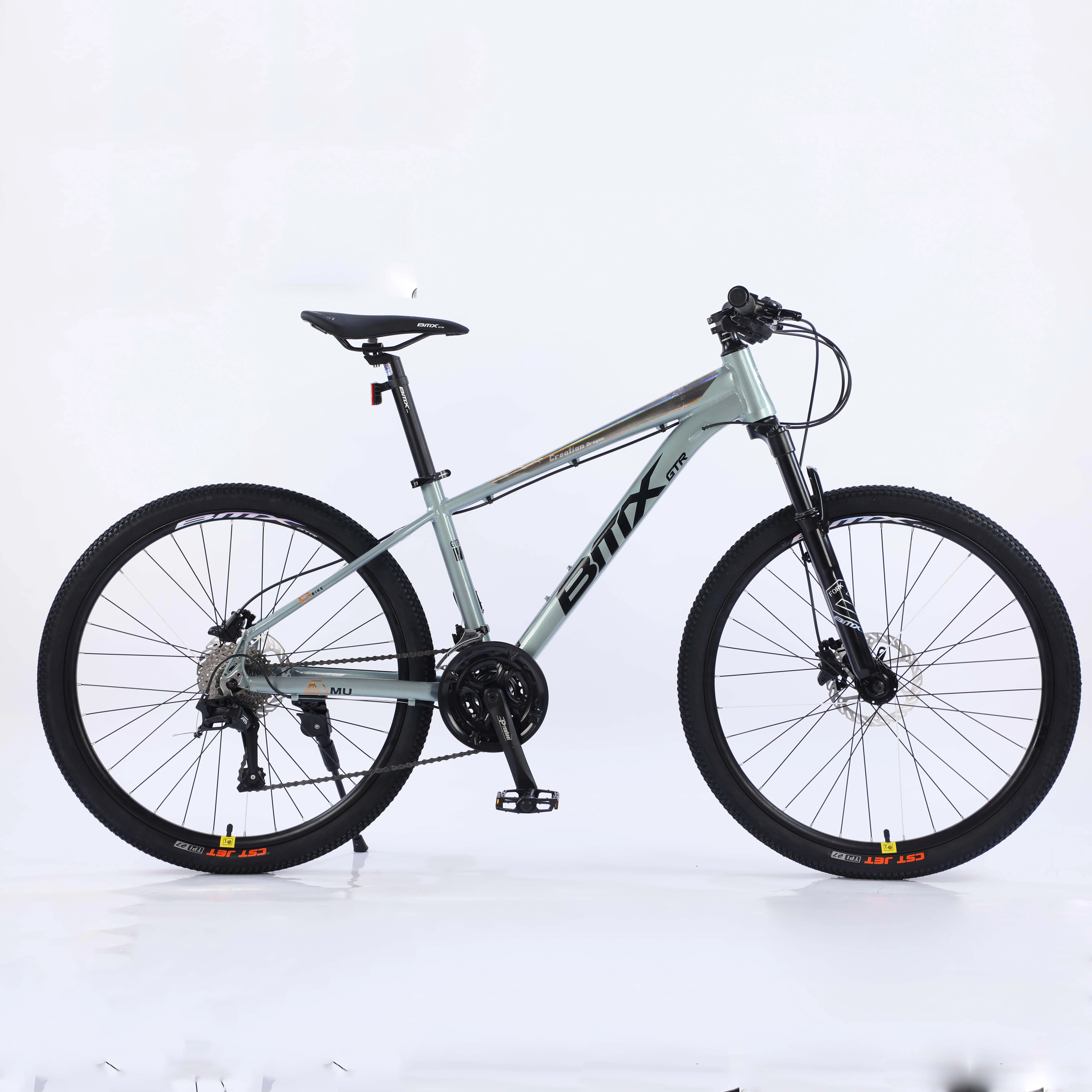
Aluminum alloy frames represent the most cost-effective solution for large-scale mountain bike procurement, offering excellent strength-to-weight ratios that suit diverse operational requirements. Commercial electric bike implementations benefit from aluminum's natural corrosion resistance and manufacturing flexibility, allowing for consistent quality control across production runs. The material's thermal properties also complement electric bike battery management systems, as aluminum frames naturally dissipate heat generated during extended operation periods.
Fleet managers appreciate aluminum's repairability characteristics, as field maintenance teams can easily address frame damage using standard welding techniques and readily available replacement parts. The material's recyclability aligns with corporate sustainability initiatives, making aluminum-framed electric bike solutions attractive for environmentally conscious organizations. Modern aluminum alloys incorporate advanced tempering processes that enhance fatigue resistance, extending operational lifespans beyond traditional expectations for commercial mountain bike applications.
Carbon fiber construction delivers superior performance characteristics for specialized commercial mountain bike applications where weight reduction and vibration dampening take priority over initial cost considerations. Organizations operating in challenging terrain environments often specify carbon fiber components to minimize operator fatigue during extended duty cycles. The material's inherent shock absorption properties complement electric bike motor systems by reducing mechanical stress transmission throughout the drivetrain assembly.
Advanced carbon fiber manufacturing processes enable precise tuning of frame stiffness characteristics, allowing procurement specifications to match specific operational requirements. Electric bike integration benefits from carbon fiber's electrical insulation properties, which help isolate sensitive electronic components from potential ground faults or electromagnetic interference. However, procurement teams must evaluate carbon fiber's repair complexity against operational requirements, as field maintenance capabilities may be limited compared to traditional metal frame solutions.
Steel spring suspension systems provide reliable performance characteristics for commercial mountain bike applications that prioritize durability over weight considerations. The material's predictable fatigue properties allow fleet managers to implement preventive maintenance schedules based on established operational parameters. Electric bike applications benefit from steel spring systems' ability to handle increased vehicle weight without compromising suspension travel or responsiveness characteristics.
Modern steel alloy formulations incorporate advanced heat treatment processes that enhance spring rate consistency across temperature variations commonly encountered in commercial operations. Organizations operating in extreme environmental conditions often specify steel suspension components for their proven reliability under stress loading scenarios that might compromise alternative materials. The material's cost-effectiveness makes steel spring systems attractive for large fleet purchases where initial investment considerations outweigh marginal weight savings from premium alternatives.
Air suspension technology offers significant advantages for commercial electric bike fleets through adjustable spring rates and reduced unsprung weight characteristics. The system's tunability allows organizations to optimize suspension performance for specific payload requirements or terrain conditions without requiring component replacement. Air suspension components integrate seamlessly with electric bike power systems, enabling potential future upgrades to electronically controlled suspension adjustment capabilities.
Procurement teams appreciate air suspension's maintenance characteristics, as service procedures typically require only periodic seal replacement and pressure adjustments rather than complete component overhauls. The technology's lightweight construction helps offset the additional weight of electric bike battery and motor systems while maintaining optimal weight distribution throughout the vehicle platform. Advanced air suspension designs incorporate temperature compensation features that maintain consistent performance across seasonal operational variations commonly encountered in commercial applications.
Battery housing materials must provide comprehensive protection for sensitive lithium-ion cells while maintaining accessibility for routine maintenance and emergency procedures. Aluminum housing solutions offer excellent thermal management properties that help regulate battery temperatures during charging cycles and high-demand operational periods. The material's electromagnetic shielding characteristics protect internal battery management systems from radio frequency interference that might compromise electric bike performance or safety systems.
Commercial electric bike applications require battery housing materials that withstand impact damage from debris, dropped tools, or collision events without compromising internal component integrity. Advanced polymer composites provide excellent impact resistance while reducing overall system weight compared to traditional metal housing solutions. These materials incorporate flame-retardant additives that enhance safety characteristics during thermal runaway scenarios, meeting stringent commercial safety standards for electric bike fleet operations.
Wiring harness materials in commercial electric bike applications must withstand continuous flexing, environmental exposure, and mechanical stress throughout extended operational cycles. Modern harness designs incorporate advanced polymer insulation materials that resist UV degradation, chemical exposure, and temperature cycling commonly encountered in outdoor commercial applications. These materials maintain electrical insulation properties across wide temperature ranges while providing mechanical protection for internal conductors.
Connector materials require specialized attention in electric bike applications due to exposure to moisture, salt, and contaminants that can compromise electrical connections over time. Gold-plated contact surfaces provide superior corrosion resistance compared to standard copper or brass alternatives, ensuring reliable electrical connections throughout the vehicle's operational lifespan. Advanced connector housing materials incorporate environmental sealing systems that maintain waterproof integrity while allowing for routine maintenance access and component replacement procedures.
Electric bike drivetrain components experience significantly higher torque loads compared to traditional mountain bike applications, requiring enhanced material specifications to prevent premature wear and failure. Advanced steel alloys used in electric bike chain construction incorporate specialized heat treatment processes that improve wear resistance while maintaining the flexibility required for smooth shifting performance. These materials withstand the increased power transmission demands of electric motor systems without compromising operational reliability.
Cassette materials must balance weight considerations against durability requirements for commercial electric bike applications where component replacement costs impact operational budgets. Titanium cassette construction offers exceptional strength-to-weight ratios while providing superior corrosion resistance in harsh environmental conditions. However, procurement teams must evaluate titanium's premium cost against operational benefits, particularly for fleet applications where consistent performance takes priority over marginal weight savings.
Brake system materials face increased thermal and mechanical stress in electric bike applications due to higher operating speeds and vehicle weights compared to traditional mountain bike configurations. Disc brake rotor materials must dissipate heat effectively while maintaining dimensional stability under repeated thermal cycling conditions. Advanced steel alloys and carbon composite materials provide superior heat dissipation characteristics that prevent brake fade during extended descents or emergency stopping scenarios.
Brake pad materials require specialized formulations to handle the increased kinetic energy present in electric bike braking scenarios while providing consistent friction characteristics across varying environmental conditions. Sintered metal pad compounds offer superior durability and heat resistance compared to organic alternatives, making them ideal for commercial electric bike applications where maintenance intervals must be maximized. These materials maintain consistent braking performance in wet conditions while providing extended service life that reduces fleet maintenance costs and operational downtime.
Material selection decisions in commercial electric bike procurement require comprehensive cost analysis that extends beyond initial purchase prices to encompass maintenance, replacement, and operational efficiency factors. Premium materials often justify higher upfront costs through reduced maintenance requirements and extended service intervals that minimize fleet downtime. Electric bike applications particularly benefit from quality material investments, as component failures can impact both mechanical and electrical systems simultaneously.
Organizations must evaluate material selection against projected operational intensity and environmental exposure conditions to optimize total cost of ownership calculations. Fleet applications operating in corrosive environments may justify stainless steel or aluminum component specifications despite higher initial costs, while operations in controlled environments might achieve better value through standard steel implementations with appropriate protective coatings. The integration of electric bike technology adds complexity to these calculations, as electrical component protection and thermal management considerations influence material selection priorities.
Commercial electric bike procurement requires stringent supplier quality standards to ensure material consistency across large fleet orders and replacement part availability throughout the operational lifespan. Established suppliers provide material certification documentation that enables proper quality control verification and regulatory compliance for commercial applications. These certifications become particularly important for electric bike components where material failures might compromise electrical safety systems or create liability concerns.
Quality management systems must address material traceability requirements that enable effective recall procedures and component tracking throughout the fleet lifecycle. Advanced suppliers implement statistical process control methodologies that ensure consistent material properties across production runs, minimizing performance variations between individual electric bike units within fleet deployments. Regular supplier audits and material testing protocols help maintain quality standards while identifying potential supply chain risks that might impact fleet operations or maintenance scheduling.
Commercial electric bike procurement requires evaluation of frame materials, electrical component housing, drivetrain durability, and suspension system specifications. Aluminum frames offer the best balance of cost, weight, and durability for most fleet applications, while electrical components require materials that provide environmental protection and thermal management. Drivetrain materials must handle increased torque loads from electric motor systems, and suspension components should accommodate higher vehicle weights while maintaining performance characteristics.
Material selection significantly influences maintenance costs, replacement intervals, and operational reliability throughout the electric bike fleet lifecycle. Premium materials often reduce maintenance frequency and extend component lifespans, offsetting higher initial costs through reduced downtime and labor expenses. Organizations should evaluate material costs against projected operational intensity, environmental conditions, and replacement part availability to optimize total ownership costs rather than focusing solely on initial purchase prices.
Battery housing materials must provide impact protection, thermal management, and electromagnetic shielding while maintaining accessibility for maintenance procedures. Aluminum housings offer excellent thermal properties and durability, while advanced polymer composites provide superior impact resistance and weight savings. Wiring harness materials require UV resistance, flexibility, and environmental sealing capabilities, with gold-plated connectors providing optimal corrosion resistance for long-term electrical reliability in commercial electric bike applications.
Electric bike materials must accommodate additional weight from battery and motor systems while providing enhanced structural support for increased torque loads throughout the drivetrain. Frame materials require integration points for electrical components and wiring systems without compromising structural integrity. Brake system materials must handle higher kinetic energy from increased vehicle weight and speed, while suspension materials should accommodate heavier loads while maintaining responsive performance characteristics essential for commercial mountain bike operations.
Founded in 2017, Hebei Leishuo Technology Co., Ltd. operates a 13,000 m² factory with two production lines and monthly capacity of 10,000 units. We manufacture electric bikes, electric tricycles and mountain bikes for OEM/ODM buyers in 40+ countries.
Room 2418, Building 2, Jinding International Plaza, Xindu District, Xingtai City, Hebei Province, China
Copyright © 2026 by Hebei Leishuo Technology Co., Ltd. Privacy Policy

 EN
EN

 Hot News