Commercial businesses increasingly turn to sustainable transportation solutions, with electric tricycles emerging as versatile alternatives to traditional delivery vehicles and passenger transport options. These three-wheeled electric vehicles offer unique advantages for various commercial applications, from last-mile delivery services to passenger transportation in urban environments. Understanding the fundamental differences between passenger and cargo configurations helps business owners make informed decisions about their fleet investments. The growing market for electric tricycles reflects broader trends toward environmental responsibility and operational cost reduction in commercial transportation sectors.
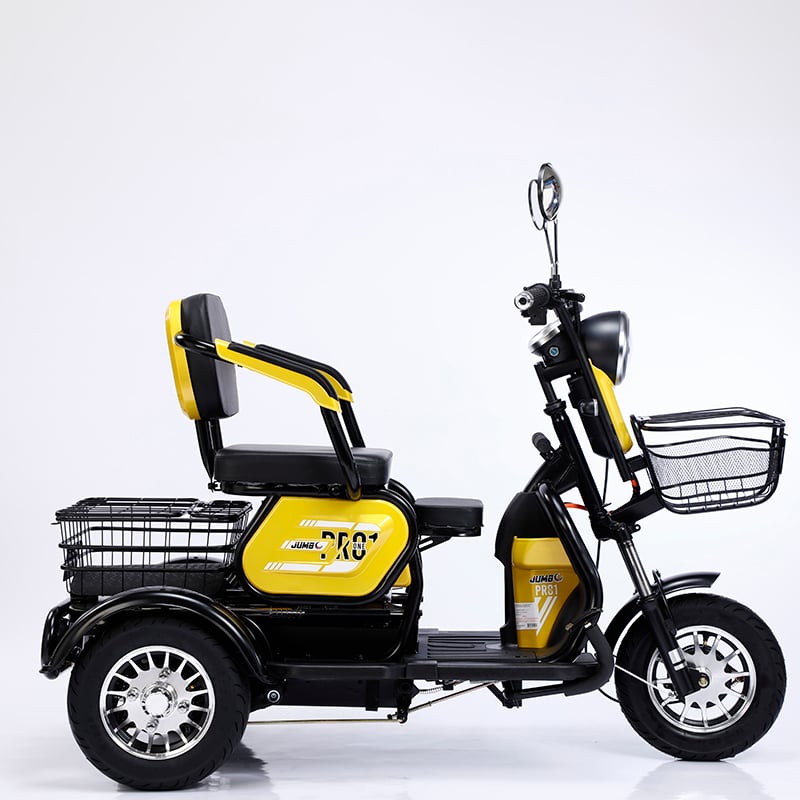
Passenger electric tricycles serve diverse commercial purposes, particularly in tourism, elderly care services, and short-distance transportation businesses. These vehicles typically feature comfortable seating arrangements, weather protection, and safety features designed for human transport. Tourism operators frequently utilize passenger electric tricycles for city tours, airport shuttles, and resort transportation services. The quiet operation and zero emissions make them ideal for environmentally conscious businesses operating in noise-sensitive areas or eco-tourism destinations.
Healthcare and elderly care facilities increasingly adopt passenger electric tricycles for patient transportation within campuses or short-distance medical appointments. These vehicles provide mobility solutions for individuals with limited walking capabilities while maintaining independence and dignity. The low step-through design and stable three-wheel configuration offer enhanced safety compared to traditional two-wheeled alternatives, making them suitable for diverse passenger demographics.
Cargo electric tricycles excel in last-mile delivery applications, food service operations, and small-scale logistics businesses. These vehicles feature spacious cargo compartments, reinforced frames, and loading mechanisms designed for efficient goods transport. E-commerce businesses particularly benefit from cargo electric tricycles due to their ability to navigate congested urban areas while carrying substantial payload capacity. The environmental benefits align with corporate sustainability initiatives while reducing operational costs compared to traditional delivery vehicles.
Food vendors and catering businesses utilize cargo electric tricycles for mobile food preparation and delivery services. The enclosed cargo areas maintain food safety standards while providing sufficient space for equipment, ingredients, and finished products. These vehicles enable businesses to reach customers in locations inaccessible to larger commercial vehicles, expanding market reach and revenue opportunities. The customizable cargo compartments accommodate various business-specific requirements and equipment configurations.
Electric tricycles designed for passenger service typically prioritize comfort and smooth acceleration over maximum payload capacity, resulting in different motor and battery configurations compared to cargo variants. Passenger models often feature motors ranging from 500W to 1500W, providing adequate power for human transport while maintaining energy efficiency. The battery systems in passenger electric tricycles focus on extended range capabilities, often achieving 40-80 kilometers on single charges depending on terrain and load conditions.
Cargo electric tricycles require more robust power systems to handle heavier loads and frequent stop-start operations typical in delivery scenarios. These vehicles commonly feature motors between 1000W and 3000W, enabling efficient transportation of goods weighing up to 300-500 kilograms. The enhanced power output ensures consistent performance even when fully loaded, maintaining productivity throughout demanding commercial operations. Battery capacity in cargo models prioritizes sustained power delivery over maximum range, balancing performance with charging frequency requirements.
The frame construction of passenger and cargo electric tricycles differs significantly to accommodate their respective functional requirements. Passenger models emphasize rider comfort through ergonomic seating positions, suspension systems, and weather protection features. The structural design prioritizes stability and safety for human occupants, incorporating features like seat belts, grab handles, and protective barriers. Materials selection focuses on durability while maintaining reasonable weight to optimize battery performance and handling characteristics.
Cargo electric tricycles feature reinforced frames constructed from heavy-duty materials capable of supporting substantial payload weights without compromising structural integrity. The cargo compartment design varies significantly based on intended applications, from enclosed boxes for package delivery to open platforms for bulk goods transport. Load distribution systems and tie-down points ensure cargo security during transport, while accessibility features facilitate efficient loading and unloading operations. The robust construction enables these vehicles to withstand demanding commercial use while maintaining operational reliability.
The purchase price of electric tricycles varies considerably based on configuration, features, and intended commercial applications. Passenger electric tricycles typically range from $3,000 to $8,000 depending on comfort features, battery capacity, and build quality. Premium passenger models with enhanced weather protection, advanced safety systems, and extended range capabilities command higher prices but offer improved customer experience and operational versatility. Businesses must evaluate the relationship between initial investment and expected revenue generation when selecting appropriate passenger configurations.
Cargo electric tricycles generally require higher initial investments due to their robust construction and specialized cargo handling features. Prices typically range from $4,000 to $12,000 based on payload capacity, cargo compartment design, and motor specifications. Custom cargo solutions for specific business applications may increase costs but provide tailored functionality that improves operational efficiency. The higher initial investment in cargo models often correlates with increased earning potential through enhanced delivery capacity and operational flexibility.
Both passenger and cargo electric tricycle configurations offer significant operating cost advantages compared to conventional vehicles. Electricity costs for charging represent a fraction of fuel expenses for equivalent internal combustion vehicles, with typical charging costs ranging from $0.50 to $2.00 per full charge cycle. Maintenance requirements remain minimal due to fewer moving parts and the absence of complex engine systems, resulting in reduced service costs and extended operational uptime.
Insurance costs for electric tricycles typically remain lower than traditional commercial vehicles due to reduced accident severity and lower replacement values. Registration and licensing requirements vary by jurisdiction but generally involve less complexity and expense compared to conventional commercial vehicle registration processes. The combination of reduced operating costs, minimal maintenance requirements, and lower regulatory burden creates attractive total cost of ownership scenarios for businesses considering electric tricycle adoption.
Commercial operation of electric tricycles requires understanding local and regional regulatory frameworks governing three-wheeled electric vehicles. Many jurisdictions classify electric tricycles differently based on motor power, maximum speed, and intended use, resulting in varying licensing requirements for operators and registration procedures for vehicles. Passenger transport services may require additional permits, insurance coverage, and safety certifications beyond standard electric tricycle registration requirements.
Cargo electric tricycles operating in commercial delivery services must comply with commercial vehicle regulations, including weight restrictions, route limitations, and parking regulations in urban environments. Some municipalities offer incentives for electric commercial vehicles, including reduced registration fees, tax credits, or preferential parking arrangements. Business owners should research local regulations thoroughly before implementing electric tricycle fleets to ensure compliance and maximize available benefits.
Modern electric tricycles incorporate advanced safety technologies designed to protect operators, passengers, and cargo during commercial operations. Anti-lock braking systems, electronic stability control, and regenerative braking enhance stopping performance while extending battery life through energy recovery. LED lighting systems improve visibility during low-light conditions, while turn signals and hazard lights ensure compliance with traffic safety regulations.
GPS tracking and fleet management systems enable businesses to monitor vehicle locations, optimize routes, and ensure operator safety during commercial operations. Some electric tricycles feature smartphone integration allowing remote monitoring of battery status, vehicle diagnostics, and maintenance scheduling. These technological enhancements improve operational efficiency while providing valuable data for business optimization and safety management.
The global electric tricycle market continues expanding rapidly, driven by increasing environmental awareness, urban congestion challenges, and evolving consumer preferences for sustainable transportation options. Market research indicates compound annual growth rates exceeding 15% in many regions, with particularly strong adoption in Asia-Pacific markets and growing interest in European and North American urban centers. Commercial applications represent the fastest-growing segment, as businesses recognize operational advantages and cost benefits of electric tricycle integration.
Technological advancements in battery technology, motor efficiency, and vehicle design continue improving electric tricycle capabilities and commercial viability. Lithium battery prices continue declining while energy density increases, extending range capabilities and reducing charging times. These improvements make electric tricycles increasingly competitive with traditional commercial vehicles for specific applications, accelerating adoption rates across various industries and geographic markets.
New commercial applications for electric tricycles emerge regularly as businesses discover creative uses for these versatile vehicles. Mobile retail operations utilize cargo electric tricycles as moving storefronts, bringing products directly to customers in residential areas or special events. Healthcare services deploy passenger electric tricycles for home visits, elderly transportation, and medical equipment delivery in areas with limited vehicle access.
Municipal services increasingly adopt electric tricycles for maintenance operations, security patrols, and public service delivery in parks, campuses, and pedestrian areas. The quiet operation and zero emissions make them ideal for sensitive environments where traditional vehicles would be disruptive or prohibited. These expanding applications create new market opportunities for entrepreneurs and established businesses seeking sustainable transportation solutions.
The choice between passenger and cargo electric tricycles depends primarily on your business model and revenue generation strategy. Passenger models suit businesses focused on human transportation services like tourism, elderly care, or shuttle services, while cargo variants excel in delivery, food service, and logistics applications. Consider your target market, operational requirements, payload needs, and local regulatory environment when making this decision.
Maintenance costs for both passenger and cargo electric tricycles remain relatively low compared to conventional vehicles, but cargo models may experience slightly higher wear due to heavier loads and more frequent use. Regular maintenance includes tire replacement, brake adjustments, and battery care, with annual costs typically ranging from $200-500 depending on usage intensity. Cargo models may require more frequent tire changes and structural inspections due to higher payload stress.
Many manufacturers and dealers offer financing programs specifically for commercial electric tricycle purchases, including traditional loans, lease agreements, and rent-to-own arrangements. Some regions provide government incentives, grants, or tax credits for electric commercial vehicle adoption. Equipment financing companies increasingly recognize electric tricycles as viable commercial assets, making competitive financing rates available for qualified businesses.
Electric tricycles can operate in most weather conditions with proper equipment and precautions, though performance may vary in extreme temperatures or precipitation. Cold weather reduces battery capacity and range, while hot conditions may require additional cooling considerations. Many commercial models include weather protection features like enclosed cabs or cargo covers, enabling year-round operation in most climates with appropriate seasonal adjustments to operational procedures.

Founded in 2017, Hebei Leishuo Technology Co., Ltd. operates a 13,000 m² factory with two production lines and monthly capacity of 10,000 units. We manufacture electric bikes, electric tricycles and mountain bikes for OEM/ODM buyers in 40+ countries.
Room 2418, Building 2, Jinding International Plaza, Xindu District, Xingtai City, Hebei Province, China
Copyright © 2026 by Hebei Leishuo Technology Co., Ltd. Privacy Policy

 EN
EN

 Hot News