Urban transportation has evolved dramatically over the past decade, with electric city bikes emerging as the preferred choice for millions of commuters worldwide. These innovative vehicles combine the environmental benefits of traditional cycling with the convenience and efficiency that modern urban dwellers demand. As cities become increasingly congested and environmental concerns grow, electric city bikes represent a sustainable solution that addresses both mobility and ecological challenges facing metropolitan areas today.
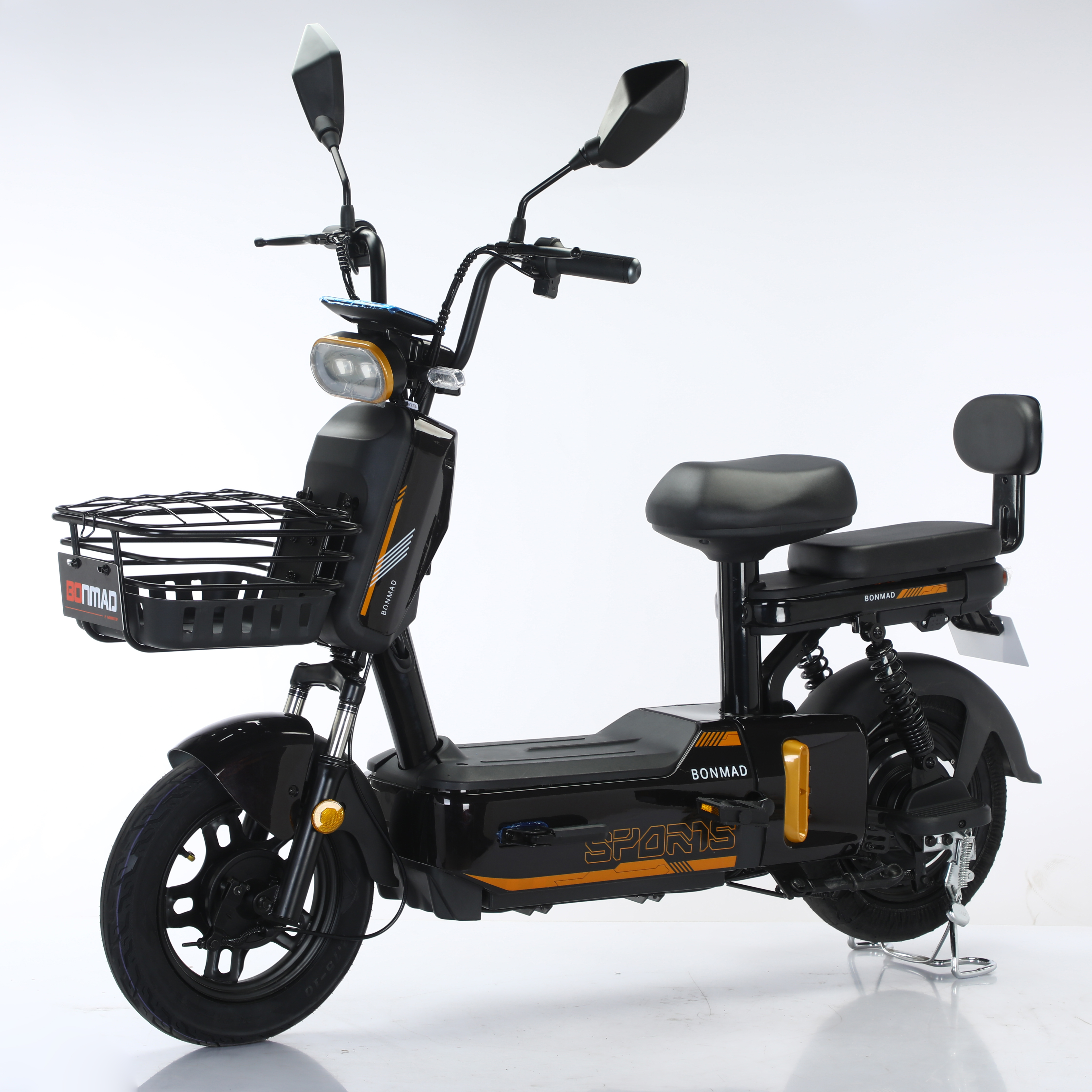
Electric city bikes have fundamentally transformed how people approach their daily commutes in urban environments. Unlike traditional bicycles that require significant physical exertion, these battery-powered vehicles provide assistance that makes longer distances and challenging terrain accessible to riders of all fitness levels. The integration of electric motors allows commuters to arrive at their destinations without excessive sweating or fatigue, making them practical alternatives to cars and public transportation.
The versatility of electric city bikes extends beyond mere transportation, offering riders the flexibility to choose their level of physical engagement. Modern electric assistance systems allow users to adjust power levels according to their preferences, weather conditions, and terrain requirements. This adaptability ensures that electric city bikes remain effective transportation solutions regardless of external circumstances or individual physical capabilities.
Metropolitan areas worldwide struggle with traffic congestion that costs billions in lost productivity and environmental damage. Electric city bikes offer a scalable solution by reducing the number of single-occupancy vehicles on roads while maintaining the speed and convenience that urban commuters require. Studies indicate that widespread adoption of electric city bikes could reduce urban traffic by up to fifteen percent during peak commuting hours.
The compact nature of electric city bikes allows them to navigate through traffic more efficiently than cars while utilizing existing bicycle infrastructure. This efficiency translates to reduced commute times for individuals while simultaneously alleviating pressure on overcrowded public transportation systems. Cities that have invested in electric bike infrastructure report improved traffic flow and reduced air pollution levels.
The environmental advantages of electric city bikes become apparent when comparing their carbon footprint to traditional transportation methods. A typical electric city bike produces approximately twenty times fewer emissions per mile than a gasoline-powered vehicle, even when accounting for electricity generation and battery manufacturing processes. This significant reduction in greenhouse gas emissions makes electric city bikes powerful tools in combating climate change at the individual and community levels.
Battery technology improvements have further enhanced the environmental credentials of electric city bikes through increased efficiency and longer lifespans. Modern lithium-ion batteries used in quality electric city bikes can withstand thousands of charge cycles while maintaining performance, reducing the frequency of replacements and associated environmental impacts. Additionally, many manufacturers now offer battery recycling programs that ensure responsible disposal and material recovery.
Electric city bikes require significantly fewer resources for manufacturing and maintenance compared to automobiles, contributing to more sustainable urban transportation ecosystems. The materials needed to produce one car could manufacture approximately twenty electric city bikes, demonstrating the resource efficiency of this transportation mode. This efficiency extends to urban infrastructure requirements, as bike lanes and parking facilities demand far less space and investment than automobile-focused infrastructure.
Urban planners increasingly recognize electric city bikes as essential components of sustainable transportation networks. Cities that prioritize electric bike infrastructure often experience improved air quality, reduced noise pollution, and enhanced quality of life for residents. The integration of electric city bikes into comprehensive transportation strategies supports broader sustainability goals while providing practical mobility solutions.
The economic benefits of electric city bikes extend far beyond their initial purchase price, offering substantial savings compared to car ownership or public transportation costs. Annual operating expenses for electric city bikes typically range from fifty to one hundred dollars, including electricity for charging and basic maintenance requirements. This cost structure contrasts sharply with automobile ownership, which averages several thousand dollars annually in fuel, insurance, maintenance, and parking fees.
Electric city bikes eliminate many hidden costs associated with urban transportation, such as parking fees, fuel price fluctuations, and public transportation fare increases. Commuters who switch to electric city bikes often report saving thousands of dollars annually while enjoying greater transportation flexibility and reliability. The financial benefits compound over time, making electric city bikes increasingly attractive long-term transportation investments.
Electric city bikes offer unique productivity advantages by combining transportation with physical exercise while maintaining predictable travel times. Unlike public transportation, which operates on fixed schedules and routes, electric city bikes provide door-to-door convenience that eliminates waiting times and transfer delays. This reliability allows commuters to optimize their schedules and dedicate saved time to productive activities or personal pursuits.
The health benefits associated with regular electric bike use contribute to long-term economic advantages through reduced healthcare costs and improved work performance. Studies demonstrate that employees who commute via electric city bikes report higher energy levels, reduced stress, and fewer sick days compared to those using conventional transportation methods. These improvements translate to enhanced career prospects and increased earning potential over time.
Contemporary electric city bikes incorporate sophisticated battery management systems that optimize performance while extending component lifespans. These systems monitor charging cycles, temperature conditions, and usage patterns to prevent degradation and ensure consistent power delivery. Advanced electric city bikes feature regenerative braking technology that recovers energy during deceleration, further extending range and improving efficiency.
Motor technology in electric city bikes has evolved to provide smoother, quieter operation while delivering impressive torque and speed capabilities. Modern hub motors and mid-drive systems offer different advantages depending on riding preferences and terrain requirements. Quality electric city bikes now feature multiple power modes that allow riders to balance battery consumption with assistance levels according to their specific needs and circumstances.
Integration of smart technology has elevated electric city bikes from simple transportation devices to connected mobility platforms. Modern electric city bikes often include GPS navigation, smartphone connectivity, and anti-theft systems that enhance security and convenience. These features allow riders to track their journeys, monitor battery levels remotely, and receive maintenance alerts through dedicated mobile applications.
Safety innovations in electric city bikes include integrated lighting systems, turn signals, and collision detection technologies that improve visibility and accident prevention. Advanced electric city bikes incorporate automatic lighting adjustment based on ambient conditions and built-in reflective elements that enhance rider visibility during low-light conditions. These safety features address common concerns about bicycle commuting while providing peace of mind for urban riders.
Selecting appropriate electric city bikes requires careful consideration of range, motor power, and build quality to ensure long-term satisfaction and reliability. Battery capacity directly impacts how far riders can travel on a single charge, with most quality electric city bikes offering ranges between twenty-five and sixty miles depending on assistance levels and terrain conditions. Motor power ratings typically range from 250 to 750 watts, with higher wattages providing greater assistance on hills and during acceleration.
Frame design and component quality significantly influence the durability and comfort of electric city bikes during daily use. Aluminum and carbon fiber frames offer optimal strength-to-weight ratios while resisting corrosion in urban environments. Quality electric city bikes feature reliable braking systems, comfortable seating positions, and robust wheels designed to handle the additional weight and speeds associated with electric assistance.
Proper maintenance ensures that electric city bikes provide years of reliable service while minimizing repair costs and downtime. Regular battery care, including proper charging practices and storage conditions, extends battery life significantly and maintains performance levels. Quality electric city bikes require minimal maintenance beyond standard bicycle upkeep, with most components designed for durability and easy serviceability.
Warranty coverage and manufacturer support play crucial roles in long-term satisfaction with electric city bikes, particularly regarding battery and electronic component reliability. Reputable manufacturers typically offer comprehensive warranties covering frame, battery, and electrical systems for multiple years. Access to replacement parts and qualified service technicians ensures that electric city bikes remain functional throughout their designed lifespans.
Most electric city bikes provide ranges between 25 and 60 miles on a single charge, depending on factors such as rider weight, terrain, weather conditions, and assistance level used. Premium models with larger batteries can achieve ranges exceeding 80 miles under optimal conditions. The actual range varies significantly based on how much pedal assistance is utilized during rides.
Charging times for electric city bikes typically range from 3 to 6 hours for a complete charge using standard household outlets. Many modern electric city bikes feature fast-charging capabilities that can provide 80% battery capacity in 2-3 hours. Some models include removable batteries that can be charged separately from the bike for added convenience.
Electric city bikes are specifically designed to accommodate riders of varying fitness levels and physical capabilities. The adjustable assistance levels allow users to customize the amount of electric support according to their needs, making cycling accessible to individuals who might struggle with traditional bikes. This adaptability makes electric city bikes excellent choices for commuters seeking flexible transportation options.
Electric city bikes require similar basic maintenance to traditional bicycles, including tire pressure checks, brake adjustments, and chain lubrication. Additional considerations include battery care, electrical connection inspections, and software updates for smart features. Overall maintenance requirements remain minimal, with quality electric city bikes designed for reliable long-term operation with proper care.

Founded in 2017, Hebei Leishuo Technology Co., Ltd. operates a 13,000 m² factory with two production lines and monthly capacity of 10,000 units. We manufacture electric bikes, electric tricycles and mountain bikes for OEM/ODM buyers in 40+ countries.
Room 2418, Building 2, Jinding International Plaza, Xindu District, Xingtai City, Hebei Province, China
Copyright © 2026 by Hebei Leishuo Technology Co., Ltd. Privacy Policy

 EN
EN

 Hot News