Logistics companies worldwide are experiencing unprecedented pressure to reduce operational costs while maintaining efficient delivery services. Rising fuel prices, increasing labor expenses, and growing environmental regulations have forced fleet managers to explore innovative transportation solutions. One emerging technology that addresses these challenges effectively is the electric moped scooter, which offers a cost-efficient alternative to traditional delivery vehicles for urban logistics operations.
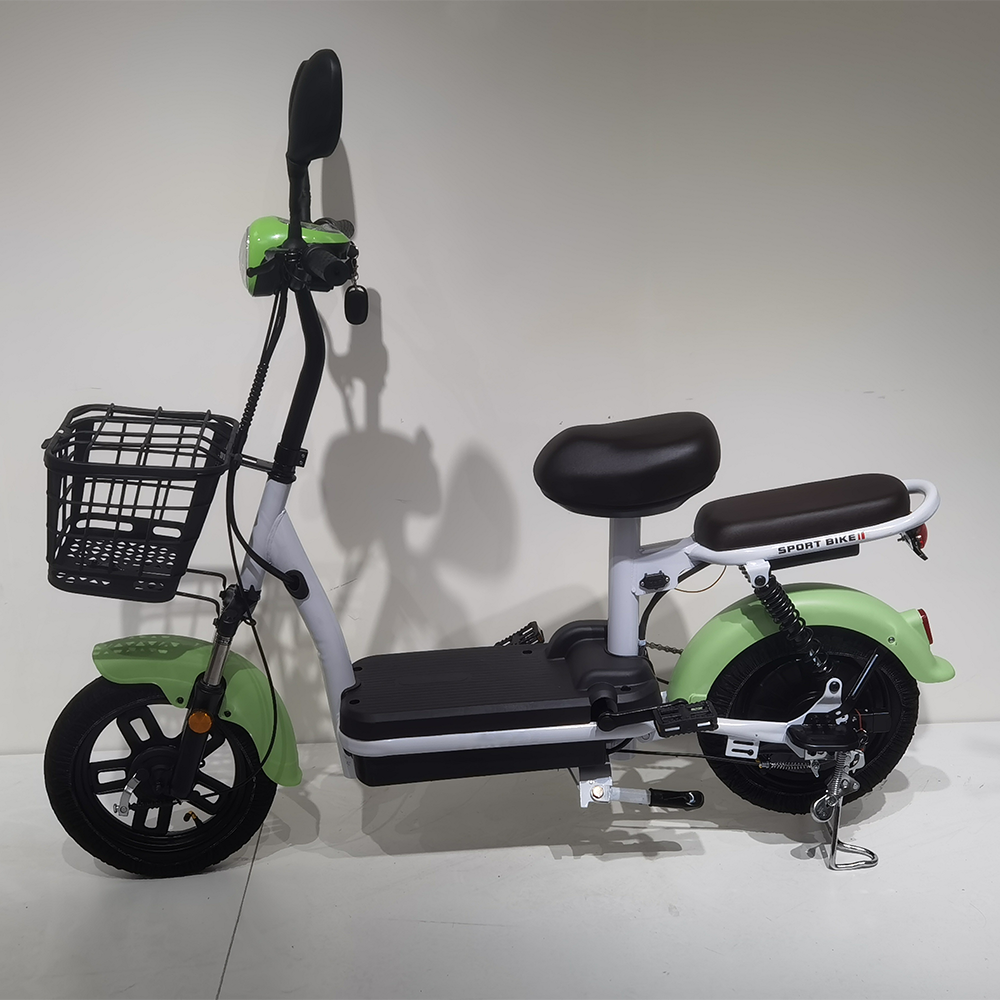
The adoption of electric moped scooters in logistics represents a paradigm shift toward sustainable and economical fleet management. These lightweight, efficient vehicles provide substantial savings across multiple operational areas, from fuel costs to maintenance expenses. Understanding how an electric moped scooter can transform your logistics operations requires examining the comprehensive cost benefits these vehicles deliver in real-world applications.
The most immediate cost advantage of an electric moped scooter lies in its energy consumption economics. Traditional gasoline-powered delivery vehicles consume fuel at rates that significantly impact operational budgets, especially during periods of volatile fuel pricing. Electric alternatives operate on a fraction of the energy costs, with electricity typically costing 60-80% less than equivalent gasoline consumption for the same distance traveled.
Logistics firms operating electric moped scooters report average energy costs of approximately $0.02-0.04 per mile, compared to $0.08-0.15 per mile for gasoline-powered motorcycles or small delivery vehicles. This dramatic reduction in per-mile operating costs translates to substantial annual savings for companies managing large fleets or high-mileage delivery operations.
Electric moped scooters provide logistics managers with greater cost predictability through stable electricity rates. Unlike volatile gasoline prices that can fluctuate dramatically based on geopolitical events and market speculation, electricity costs remain relatively stable over extended periods. This stability enables more accurate budget forecasting and long-term financial planning for logistics operations.
Fleet managers can leverage time-of-use electricity rates to further optimize charging costs by scheduling vehicle charging during off-peak hours when utility rates are lowest. Many logistics companies achieve additional 20-30% savings on energy costs through strategic charging management, making the economic case for electric moped scooters even more compelling.
The mechanical simplicity of an electric moped scooter dramatically reduces maintenance requirements compared to internal combustion engine vehicles. Electric motors contain fewer moving parts, eliminating the need for regular oil changes, spark plug replacements, air filter maintenance, and complex transmission servicing that traditional vehicles require.
Logistics companies typically experience 40-60% lower maintenance costs with electric moped scooters compared to gasoline-powered alternatives. The absence of complex engine components means fewer potential failure points, resulting in reduced downtime and lower repair expenses. This reliability translates to improved fleet availability and more consistent delivery schedules.
Electric moped scooters feature regenerative braking systems that extend brake component lifecycles significantly. Traditional vehicles rely heavily on friction braking, which wears brake pads and rotors quickly in stop-and-go delivery environments. Regenerative braking captures energy during deceleration, reducing wear on mechanical brake components while simultaneously extending vehicle range.
Battery systems in modern electric moped scooters are designed for longevity, with many manufacturers offering warranties covering 3-5 years or specific mileage thresholds. Advanced battery management systems optimize charging cycles and prevent degradation, ensuring consistent performance throughout the vehicle's operational lifetime.
Electric moped scooters offer smoother, quieter operation that reduces driver fatigue during extended delivery shifts. The absence of engine vibration and noise creates a more comfortable working environment, potentially improving driver retention and reducing recruitment costs. Many logistics firms report improved driver satisfaction and longer employment tenures when transitioning to electric vehicle fleets.
Training requirements for electric moped scooter operation are typically minimal compared to traditional motorcycles or delivery vehicles. The simplified controls and automatic transmission characteristics reduce training time and associated costs while enabling faster onboarding of new delivery personnel.
The compact design and maneuverability of electric moped scooters enable logistics companies to optimize delivery routes in ways not possible with larger vehicles. These vehicles can navigate narrow urban streets, access restricted delivery zones, and utilize alternative parking options that reduce delivery time and associated labor costs.
Many cities offer preferential treatment for electric vehicles, including access to dedicated lanes, reduced parking fees, and exemptions from certain traffic restrictions. These benefits enable electric moped scooter operators to complete deliveries more efficiently, reducing labor hours required per delivery and improving overall operational productivity.
Increasingly stringent environmental regulations in urban areas are creating additional operational costs for logistics companies using traditional vehicles. Low emission zones, carbon taxes, and congestion charges can significantly impact delivery costs in major metropolitan areas. Electric moped scooters eliminate these regulatory compliance costs by producing zero direct emissions during operation.
Forward-thinking logistics companies investing in electric moped scooters position themselves ahead of anticipated regulatory changes that may restrict or penalize fossil fuel vehicle operations in urban environments. This proactive approach prevents future compliance costs and operational disruptions while maintaining consistent service delivery capabilities.
Many governments offer substantial financial incentives for commercial electric vehicle adoption, including purchase rebates, tax credits, and accelerated depreciation schedules. These incentives can offset 20-50% of initial electric moped scooter acquisition costs, dramatically improving return on investment calculations for logistics fleet managers.
Additional benefits may include reduced registration fees, insurance discounts, and preferential financing terms specifically designed to encourage commercial electric vehicle adoption. These financial advantages compound over the vehicle lifecycle, creating sustained operational cost savings beyond direct energy and maintenance benefits.
Insurance companies increasingly recognize the safety advantages and lower risk profiles associated with electric moped scooters compared to traditional delivery vehicles. The lower top speeds, enhanced visibility features, and advanced safety systems common in electric vehicles often result in reduced insurance premiums for logistics fleet operators.
The quiet operation of electric moped scooters improves rider awareness of surrounding traffic conditions, potentially reducing accident rates and associated insurance claims. Some insurers offer specific discounts for electric commercial vehicles, recognizing their contribution to safer urban transportation environments.
Electric moped scooters eliminate several liability risks associated with traditional delivery vehicles, including fuel spill incidents, exhaust-related health concerns, and fire hazards from hot engine components. This reduced risk profile can translate to lower liability insurance costs and fewer potential legal complications for logistics operations.
The environmental benefits of electric moped scooters also protect logistics companies from potential future liability related to air quality impacts and climate change regulations, providing long-term risk mitigation advantages that traditional vehicles cannot offer.
While electric moped scooters may require higher upfront investment compared to basic gasoline motorcycles, the total cost of ownership typically favors electric alternatives within 12-24 months of operation. The combination of reduced energy costs, lower maintenance expenses, and available incentives creates compelling financial returns for logistics applications.
Fleet managers should consider the entire vehicle lifecycle when evaluating electric moped scooter investments, including residual value retention, which tends to be higher for electric vehicles due to their simpler mechanical systems and growing market demand for sustainable transportation solutions.
As logistics operations expand, the operational cost advantages of electric moped scooters compound proportionally. Larger fleets achieve greater economies of scale in charging infrastructure, maintenance operations, and bulk purchasing agreements that further enhance cost savings potential.
The standardization possible with electric moped scooter fleets simplifies inventory management, technician training, and operational procedures compared to mixed-vehicle fleets using different fuel types and maintenance requirements. This operational simplification reduces administrative costs and improves fleet management efficiency.
Most logistics companies achieve payback on electric moped scooter investments within 18-30 months, depending on usage intensity and local energy costs. High-mileage operations in areas with expensive gasoline and available electric vehicle incentives often see payback periods as short as 12 months, while lower-usage applications may extend to 36 months.
Charging infrastructure represents a one-time capital investment that typically adds 10-20% to initial fleet deployment costs. However, the operational savings from reduced energy costs and eliminated fuel distribution logistics usually recover infrastructure investments within the first year of operation. Many businesses also benefit from utility rebates for commercial charging station installations.
Electric moped scooter maintenance requires different skills than traditional vehicle service, focusing on electrical systems, battery management, and electronic diagnostics rather than mechanical engine work. Most manufacturers provide comprehensive training programs, and the overall skill requirements are generally considered less complex than traditional motorcycle maintenance.
Modern electric moped scooters are designed for year-round operation with weatherproof electrical systems and all-season performance capabilities. Cold weather may reduce battery range by 15-25%, but this impact is often offset by the elimination of cold-start issues common in gasoline engines. Many models include weather protection features that enhance rider comfort and safety in adverse conditions.
Founded in 2017, Hebei Leishuo Technology Co., Ltd. operates a 13,000 m² factory with two production lines and monthly capacity of 10,000 units. We manufacture electric bikes, electric tricycles and mountain bikes for OEM/ODM buyers in 40+ countries.
Room 2418, Building 2, Jinding International Plaza, Xindu District, Xingtai City, Hebei Province, China
Copyright © 2026 by Hebei Leishuo Technology Co., Ltd. Privacy Policy

 EN
EN

 Hot News