As the global population continues to age, the demand for safe, reliable, and comfortable mobility solutions for seniors has never been greater. An electric tricycle for elderly individuals represents a revolutionary approach to maintaining independence while addressing the unique challenges that come with advancing age. These innovative three-wheeled vehicles combine the stability of traditional tricycles with modern electric technology, creating an ideal transportation solution that promotes both physical activity and safe navigation through various environments.
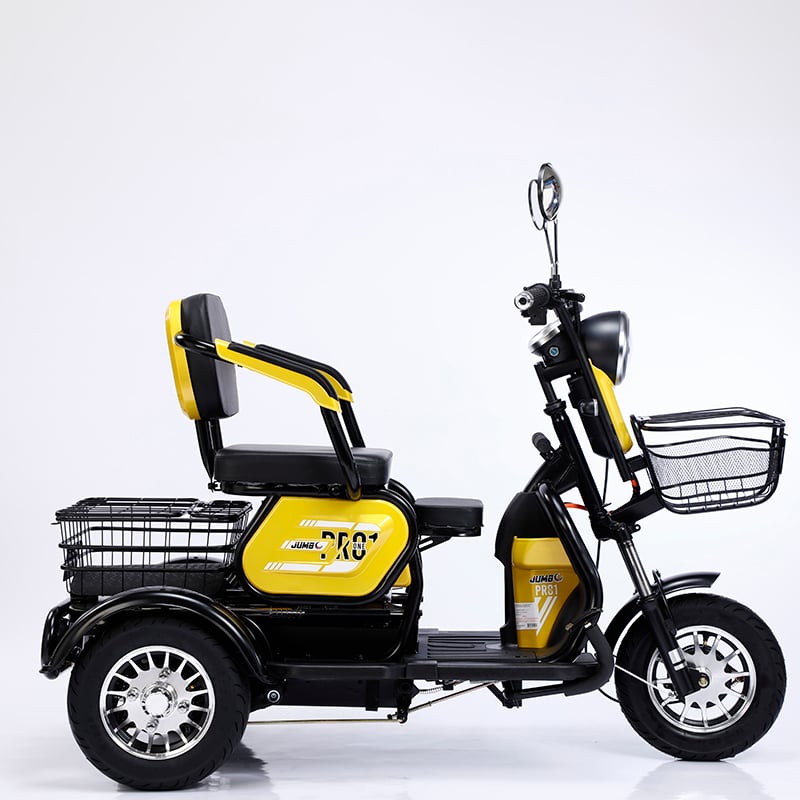
The transition from traditional bicycles to electric tricycles marks a significant advancement in senior mobility technology. Unlike conventional two-wheeled bicycles that require balance and coordination skills that may diminish with age, electric tricycles for elderly users provide enhanced stability through their three-wheel design. This fundamental structural advantage eliminates the fear of falling while maintaining the joy and freedom associated with cycling activities.
The most critical safety advantage of an electric tricycle for elderly riders lies in its inherent stability. The three-wheel configuration creates a stable platform that remains upright even when stationary, eliminating the balance requirements that make traditional bicycles challenging for seniors. This stability extends beyond just riding comfort, as it allows elderly users to stop safely without worrying about maintaining balance or finding something to lean against.
Modern electric tricycles incorporate advanced engineering principles to optimize weight distribution and center of gravity. The rear axle design typically features a differential system that allows smooth cornering while maintaining traction on both rear wheels. This engineering excellence ensures that elderly riders can navigate turns confidently without experiencing the instability that might occur with improper weight distribution.
Safety considerations in electric tricycle design extend to sophisticated braking systems specifically calibrated for elderly users. Most quality electric tricycles feature dual braking mechanisms, including regenerative braking that harnesses the motor's resistance to slow the vehicle gradually. This gentle deceleration reduces the jarring stops that can be uncomfortable or dangerous for seniors with joint sensitivities or balance concerns.
Speed limitation features built into electric tricycles for elderly users provide additional safety measures. These systems typically include multiple power assistance levels, allowing riders to select comfortable speeds that match their confidence and physical capabilities. The ability to start with minimal assistance and gradually increase power as comfort levels improve makes these vehicles ideal for seniors transitioning from traditional walking to assisted mobility.
The seating arrangement in an electric tricycle for elderly users represents a carefully engineered balance between comfort and functionality. Most models feature wider, more cushioned seats compared to traditional bicycle designs, with additional back support to accommodate age-related postural changes. The seat height and angle can typically be adjusted to accommodate various body types and physical limitations while maintaining optimal pedaling efficiency.
Ergonomic handlebars positioned at comfortable reaching distances reduce strain on shoulders, arms, and wrists during extended rides. The upright riding position promoted by proper electric tricycle design helps maintain natural spinal alignment while providing clear sight lines for navigation and hazard awareness. This positioning also reduces the forward-leaning posture required by traditional bicycles, which can be uncomfortable for seniors with back or neck issues.
Many electric tricycles designed for elderly users include weather protection features that extend usability across various environmental conditions. Optional canopies or windshields protect riders from sun exposure, light rain, and wind resistance while maintaining visibility and ventilation. These features are particularly valuable for seniors who may be more sensitive to temperature variations or UV exposure.
Accessibility enhancements such as step-through frame designs eliminate the need to lift legs over high crossbars, making mounting and dismounting safer and more comfortable for elderly users. Storage compartments integrated into the tricycle design provide convenient space for personal items, groceries, or medical supplies without affecting vehicle balance or requiring additional carrying effort.
Regular use of an electric tricycle for elderly individuals provides significant cardiovascular benefits through low-impact exercise that accommodates various fitness levels and physical limitations. The electric assistance feature allows seniors to engage in physical activity at intensity levels appropriate for their current health status while gradually building strength and endurance over time.
The pedaling motion involved in electric tricycle operation promotes joint mobility and muscle engagement throughout the lower body while minimizing stress on knees, hips, and ankles. This gentle exercise form helps maintain bone density, improves circulation, and supports overall metabolic health without the high-impact stress associated with running or intense gym workouts that may be unsuitable for elderly individuals.
Beyond physical benefits, electric tricycles for elderly users provide substantial mental health advantages through increased independence and social connectivity. The ability to travel independently to visit friends, attend community events, or simply enjoy outdoor environments contributes significantly to emotional well-being and cognitive stimulation that combat isolation and depression common among aging populations.
The confidence gained from mastering electric tricycle operation often extends to other areas of life, promoting a sense of capability and self-efficacy that supports overall mental health. Many seniors report feeling more connected to their communities and more willing to engage in social activities when they have reliable, comfortable transportation that doesn't depend on others for assistance.
The practical utility of an electric tricycle for elderly users becomes particularly apparent in daily errands and shopping activities. The cargo capacity available through rear baskets, front compartments, and optional accessories allows seniors to transport groceries, medications, and other necessities independently without relying on family members or delivery services for every small need.
The range capabilities of modern electric tricycles, typically between 20-40 miles per charge, accommodate most local errands and shopping trips while providing sufficient power reserve for unexpected detours or longer routes. This range reliability gives elderly users confidence to plan and execute independent outings without anxiety about battery depletion or stranding situations.
Electric tricycles open recreational possibilities that might otherwise be inaccessible to elderly individuals with limited mobility or endurance. Parks, nature trails, and scenic routes become enjoyable destinations rather than challenging obstacles when electric assistance compensates for physical limitations while maintaining the pleasurable aspects of outdoor cycling.
Group recreational activities become more inclusive when electric tricycles for elderly participants allow varied fitness levels to enjoy shared experiences. Family outings, cycling clubs, and community events can accommodate seniors who might otherwise be excluded from group activities due to pace or endurance differences.
Advanced lithium-ion battery systems in contemporary electric tricycles for elderly users provide reliable power delivery with minimal maintenance requirements. These batteries typically feature removal capabilities that allow convenient indoor charging without moving the entire vehicle, particularly beneficial for seniors living in apartments or homes without garage access.
Smart charging systems include automatic shutoff features that prevent overcharging and extend battery life while providing clear indicators of charge status and remaining range. Some models incorporate regenerative charging capabilities that partially recharge batteries during braking or coasting, extending operational range and reducing charging frequency requirements.
Modern electric tricycles feature intuitive digital displays that provide essential information including speed, battery status, distance traveled, and assistance level settings. These displays are designed with larger fonts and high contrast visibility to accommodate age-related vision changes while remaining simple enough to operate without technological expertise or complicated learning curves.
Control systems in electric tricycles for elderly users prioritize simplicity and reliability over complex features that might confuse or intimidate senior operators. Basic throttle controls, simple gear shifting mechanisms, and clearly marked assistance levels ensure that technological features enhance rather than complicate the riding experience.
When evaluating the economic impact of an electric tricycle for elderly mobility, the cost comparison with alternative transportation methods reveals significant long-term savings potential. The initial investment in a quality electric tricycle often equals just a few months of regular taxi or rideshare expenses, while providing years of independent transportation capability.
Operational costs for electric tricycles remain minimal compared to automobile ownership, with electricity costs for charging representing a fraction of gasoline expenses, and maintenance requirements limited to basic mechanical upkeep rather than complex automotive systems. Insurance requirements are typically minimal or nonexistent, further reducing ongoing expenses associated with maintaining independent mobility.
The health benefits derived from regular electric tricycle use can contribute to reduced healthcare costs through improved physical fitness, better mental health, and decreased dependency on medical interventions for mobility-related issues. The investment in an electric tricycle for elderly users often pays dividends through delayed need for more intensive mobility assistance or institutional care arrangements.
Quality of life improvements achieved through maintained independence and social connectivity represent immeasurable value that extends beyond simple economic calculations. The ability to age in place while maintaining community connections and personal autonomy provides benefits that justify the initial investment in appropriate mobility technology.
Most electric tricycles for elderly users are designed with maximum speeds between 15-20 mph to prioritize safety over speed. Many models include adjustable speed settings that allow users to start with lower maximum speeds and gradually increase as comfort and confidence develop. The focus remains on providing adequate speed for practical transportation while maintaining control and stability that elderly riders can manage safely.
Battery life in electric tricycles for elderly users typically ranges from 20-40 miles per charge, depending on factors such as rider weight, terrain, assistance level used, and weather conditions. Most batteries can be fully recharged in 4-6 hours using standard household electrical outlets. With proper care and maintenance, lithium-ion batteries in these tricycles usually maintain effective performance for 3-5 years before requiring replacement.
Electric tricycles are specifically designed to accommodate elderly users with balance or mobility concerns. The three-wheel design eliminates balance requirements while providing stable support when stopped or moving slowly. Many models include features such as step-through frames for easy mounting, adjustable seating for comfort, and variable assistance levels that can compensate for reduced leg strength or joint mobility issues.
Maintenance requirements for electric tricycles for elderly users are relatively minimal and similar to traditional bicycles with some additional electrical component care. Regular tasks include keeping tires properly inflated, cleaning and lubricating the chain, checking brake function, and ensuring battery connections remain clean and secure. Most electrical components are sealed and require no regular maintenance, though annual professional inspections are recommended to ensure optimal performance and safety.

Founded in 2017, Hebei Leishuo Technology Co., Ltd. operates a 13,000 m² factory with two production lines and monthly capacity of 10,000 units. We manufacture electric bikes, electric tricycles and mountain bikes for OEM/ODM buyers in 40+ countries.
Room 2418, Building 2, Jinding International Plaza, Xindu District, Xingtai City, Hebei Province, China
Copyright © 2026 by Hebei Leishuo Technology Co., Ltd. Privacy Policy

 EN
EN

 Hot News