Choosing the right electric tricycle battery technology is crucial for maximizing your return on investment in personal or commercial electric vehicles. Modern electric tricycles rely heavily on battery performance to deliver reliable transportation, extended range, and long-term value. Understanding the various battery technologies available can help you make an informed decision that balances upfront costs with operational benefits over the vehicle's lifetime.
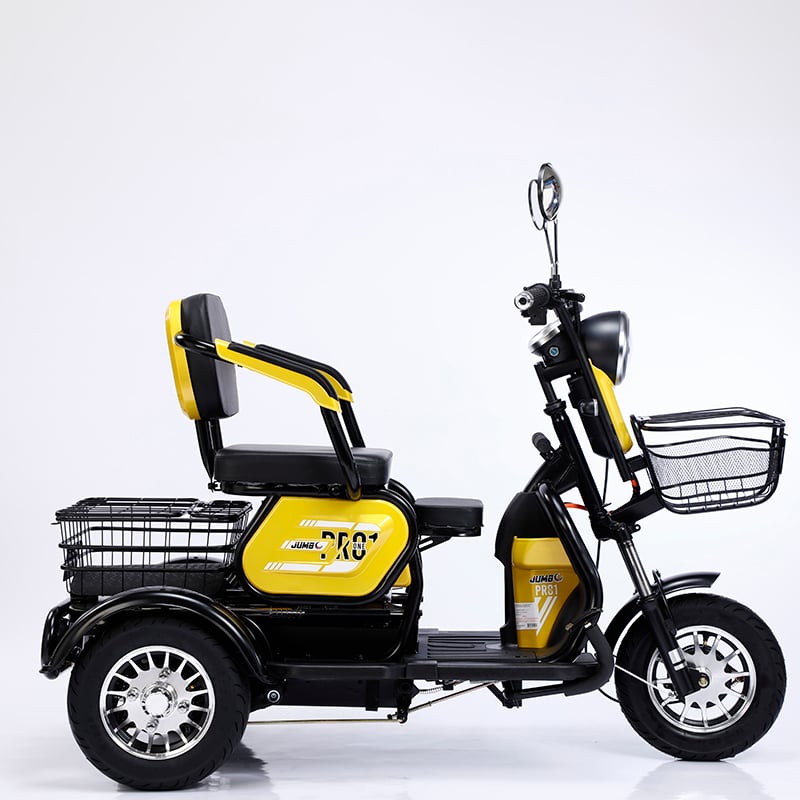
Energy density directly impacts how far your electric tricycle can travel on a single charge. Higher energy density batteries pack more power into smaller, lighter packages, making them ideal for extended commutes or commercial applications. Lithium-ion batteries typically offer energy densities between 150-250 Wh/kg, while traditional lead-acid batteries provide only 30-50 Wh/kg. This significant difference means lithium-based electric tricycle battery systems can deliver two to three times the range of comparable lead-acid configurations.
Range anxiety remains a primary concern for electric tricycle users, particularly those using vehicles for delivery services or daily commuting. Advanced battery management systems help optimize power distribution and extend operational range through intelligent charging cycles and regenerative braking integration. Understanding your typical usage patterns helps determine whether premium battery technology justifies the additional investment cost.
Charging characteristics significantly impact the practical usability of electric tricycle battery systems. Fast-charging capabilities reduce downtime and increase productivity for commercial users, while slower charging may be acceptable for recreational applications. Lithium iron phosphate batteries can typically charge to 80% capacity within 2-3 hours, compared to 6-8 hours for traditional lead-acid alternatives.
Charging efficiency also affects long-term operating costs through electricity consumption patterns. Modern electric tricycle battery systems incorporate smart charging controllers that optimize power delivery and minimize energy waste during the charging process. These systems can reduce electricity costs by 15-25% compared to basic charging setups while extending overall battery lifespan through controlled charging profiles.
Lithium-ion batteries have become the gold standard for electric tricycle battery applications due to their superior performance characteristics. These batteries offer exceptional cycle life, typically lasting 1000-2000 charge cycles compared to 300-500 cycles for lead-acid alternatives. The longer lifespan translates directly into better return on investment despite higher upfront costs.
Weight reduction represents another significant advantage of lithium-ion electric tricycle battery systems. The lighter weight improves vehicle handling, reduces energy consumption, and allows for higher payload capacity. Commercial operators particularly benefit from these characteristics, as reduced vehicle weight enables larger cargo loads while maintaining optimal performance and safety margins.
Lead-acid batteries continue to serve specific market segments due to their lower initial purchase price and established recycling infrastructure. For budget-conscious consumers or applications with limited daily usage requirements, lead-acid electric tricycle battery systems can provide adequate performance at reduced upfront investment. However, the total cost of ownership often favors lithium alternatives over multi-year periods.
Maintenance requirements for lead-acid batteries include regular electrolyte level monitoring and periodic equalization charging. These service needs add ongoing operational costs and complexity that many users prefer to avoid. Modern sealed lead-acid designs reduce maintenance requirements but still require more attention than lithium-based electric tricycle battery alternatives.
The upfront cost difference between battery technologies can be substantial, with lithium-ion systems typically costing 2-3 times more than comparable lead-acid units. However, this initial price differential must be evaluated against the total cost of ownership over the expected vehicle lifespan. Premium electric tricycle battery systems often justify their higher costs through extended service life and reduced maintenance requirements.
Financing options and warranty coverage also influence the effective cost of different battery technologies. Many manufacturers offer extended warranty programs for lithium-ion electric tricycle battery systems that provide additional value protection. These warranties often cover battery capacity degradation and may include replacement guarantees that reduce long-term financial risk for buyers.
Daily operating costs encompass electricity consumption, maintenance expenses, and replacement part requirements. Efficient electric tricycle battery systems reduce electricity costs through improved charging efficiency and energy recovery capabilities. Regenerative braking systems can extend range by 10-15% while reducing brake wear and maintenance costs.
Replacement frequency significantly impacts long-term economics, with premium battery technologies often providing superior value despite higher initial costs. A comprehensive cost analysis should include battery replacement intervals, disposal fees, and productivity losses during replacement periods. Commercial users may find that electric tricycle battery systems with longer service life justify premium pricing through reduced operational disruption.
Advanced battery management systems maximize the performance and lifespan of electric tricycle battery installations through intelligent monitoring and control. These systems track individual cell voltages, temperatures, and charge states to optimize charging patterns and prevent damage from overcharging or deep discharge conditions. Proper battery management can extend service life by 20-30% compared to basic charging systems.
Temperature management plays a crucial role in electric tricycle battery performance, particularly in extreme climate conditions. Integrated heating and cooling systems maintain optimal operating temperatures to preserve battery capacity and prevent premature degradation. These thermal management features become increasingly important for commercial applications with high daily usage requirements.
Establishing regular maintenance schedules helps maximize electric tricycle battery performance and identify potential issues before they become costly problems. Monitoring protocols should include capacity testing, connection inspection, and performance data analysis to track degradation patterns and optimize replacement timing.
Preventive maintenance for electric tricycle battery systems includes cleaning terminals, checking mounting hardware, and updating battery management software. These simple maintenance tasks can significantly extend battery life while ensuring consistent performance throughout the service period. Documentation of maintenance activities also supports warranty claims and helps track total cost of ownership.
Next-generation battery technologies promise to further improve electric tricycle battery performance and economics. Solid-state batteries offer potential advantages in safety, energy density, and charging speed, though commercial availability remains limited. These advanced technologies may eventually provide compelling ROI improvements for electric tricycle applications.
Sodium-ion and lithium iron phosphate variants continue to evolve, offering improved safety characteristics and reduced raw material costs. These alternative chemistries may provide attractive options for electric tricycle battery applications where extreme performance is less critical than cost optimization and safety considerations.
Connected battery systems enable remote monitoring and predictive maintenance capabilities that can further improve ROI through reduced downtime and optimized replacement scheduling. Smart electric tricycle battery systems can communicate performance data to fleet management platforms, enabling data-driven maintenance decisions and usage optimization.
Integration with renewable energy sources and grid storage systems may provide additional value streams for electric tricycle battery installations. Vehicle-to-grid capabilities allow batteries to participate in energy markets during idle periods, potentially generating revenue to offset ownership costs and improve overall return on investment.
Lithium-ion electric tricycle battery systems typically last 5-8 years or 1000-2000 charge cycles under normal usage conditions. Lead-acid batteries generally provide 2-4 years of service or 300-500 cycles. Actual lifespan depends on usage patterns, maintenance quality, and environmental conditions. Premium lithium technologies often include warranties covering capacity degradation over extended periods.
Usage frequency, charging patterns, and maintenance quality most significantly affect electric tricycle battery return on investment. High-frequency commercial applications favor premium battery technologies despite higher upfront costs. Proper charging protocols and regular maintenance can extend battery life by 20-30%, substantially improving ROI calculations across all battery types.
Many manufacturers and dealers offer financing programs for electric tricycle battery upgrades, including lease options and extended payment plans. Some programs include maintenance packages that further improve total cost of ownership. Government incentives and rebates may also be available for electric vehicle components in certain jurisdictions, reducing the effective cost of premium battery systems.
Extreme temperatures, humidity, and vibration significantly impact electric tricycle battery performance and lifespan. Cold conditions reduce capacity and charging efficiency, while excessive heat accelerates degradation. Proper thermal management and protective housing help mitigate environmental effects but may increase initial system costs. Climate considerations should factor into battery technology selection and ROI calculations.
Founded in 2017, Hebei Leishuo Technology Co., Ltd. operates a 13,000 m² factory with two production lines and monthly capacity of 10,000 units. We manufacture electric bikes, electric tricycles and mountain bikes for OEM/ODM buyers in 40+ countries.
Room 2418, Building 2, Jinding International Plaza, Xindu District, Xingtai City, Hebei Province, China
Copyright © 2026 by Hebei Leishuo Technology Co., Ltd. Privacy Policy

 EN
EN

 Hot News