Urban mobility providers are constantly seeking innovative solutions to address the growing demand for sustainable and efficient transportation alternatives. Electric scooter bikes have emerged as a revolutionary option that combines the convenience of traditional scooters with the power and range of electric bicycles. These versatile vehicles offer urban mobility companies an opportunity to diversify their fleets while meeting consumer preferences for eco-friendly transportation. The integration of electric scooter bikes into shared mobility programs represents a significant step toward creating more comprehensive urban transportation networks. As cities worldwide grapple with congestion and pollution challenges, electric scooter bikes provide a practical solution that addresses multiple urban mobility concerns simultaneously.
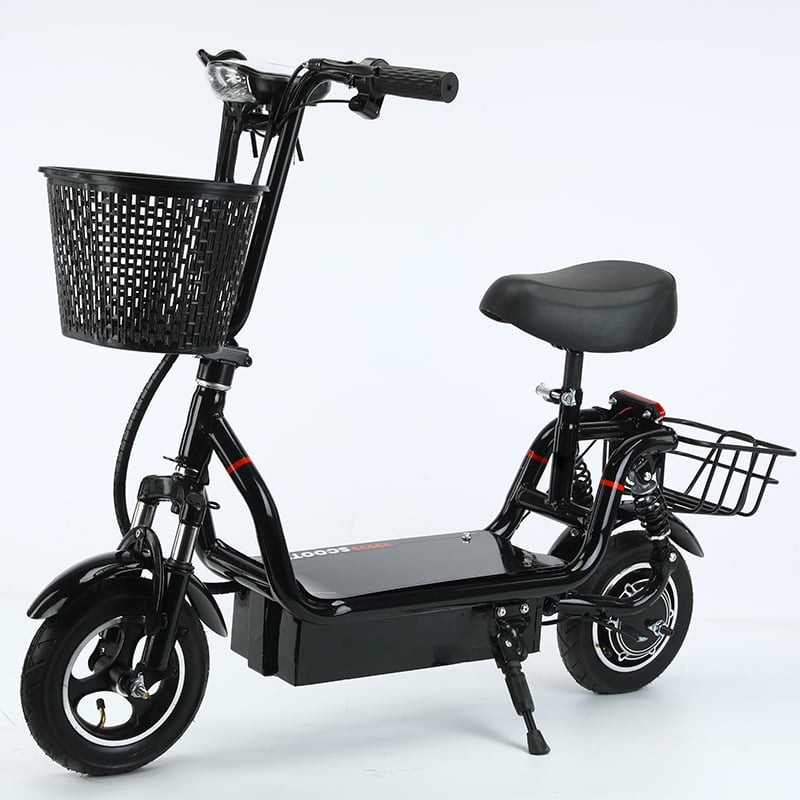
The global market for electric scooter bikes continues to expand rapidly, driven by increasing environmental awareness and changing urban commuting patterns. Consumer preferences have shifted significantly toward sustainable transportation options that offer both convenience and cost-effectiveness. Urban dwellers are increasingly seeking alternatives to traditional car ownership, particularly for short to medium-distance trips within city limits. Electric scooter bikes perfectly fill this niche by providing a reliable, efficient mode of transportation that reduces carbon emissions while offering practical benefits such as reduced parking requirements and lower operational costs.
Market research indicates that the adoption rate of electric scooter bikes has accelerated in metropolitan areas where traffic congestion and parking limitations create significant challenges for conventional vehicles. Urban mobility providers who invest early in electric scooter bikes position themselves advantageously to capture market share as consumer adoption rates continue climbing. The demographic appeal of these vehicles spans multiple age groups, from young professionals seeking efficient commuting solutions to older adults appreciating the assisted mobility features that electric motors provide.
Recent technological improvements in battery technology, motor efficiency, and smart connectivity have significantly enhanced the appeal and functionality of electric scooter bikes. Modern electric scooter bikes incorporate advanced lithium-ion battery systems that provide extended range capabilities while maintaining relatively lightweight designs. These technological enhancements translate directly into improved user experiences and reduced operational challenges for mobility service providers.
The integration of GPS tracking, mobile app connectivity, and smart locking mechanisms has transformed electric scooter bikes into sophisticated mobility solutions that align perfectly with contemporary shared transportation models. Urban mobility providers can leverage these technological features to optimize fleet management, monitor usage patterns, and implement dynamic pricing strategies that maximize revenue potential while ensuring optimal vehicle utilization rates.
Electric scooter bikes offer urban mobility providers significant operational cost advantages compared to traditional vehicle fleets. The maintenance requirements for electric scooter bikes are considerably lower than those for automobiles, primarily due to fewer moving parts and simpler mechanical systems. Battery replacement represents the primary long-term maintenance expense, but modern battery technologies offer extended lifecycles that minimize replacement frequency and associated costs.
Energy costs for charging electric scooter bikes remain substantially lower than fuel expenses for conventional vehicles, particularly as electricity rates continue to be more stable and predictable than petroleum prices. Urban mobility providers can further reduce operational costs by implementing strategic charging schedules that take advantage of off-peak electricity rates and renewable energy sources where available.
The versatility of electric scooter bikes enables urban mobility providers to implement diverse revenue models that maximize earning potential. Rental services can offer hourly, daily, or subscription-based pricing structures that cater to different user preferences and usage patterns. Corporate partnerships present additional revenue opportunities, as businesses increasingly seek sustainable transportation options for employee commuting programs and short-distance business travel.
Tourism applications provide another lucrative revenue stream, as electric scooter bikes appeal to visitors seeking convenient and environmentally friendly ways to explore urban destinations. The ability to customize electric scooter bikes with branded accessories and advertising displays creates additional monetization opportunities through sponsorship agreements and promotional partnerships with local businesses.
Urban mobility providers investing in electric scooter bikes contribute meaningfully to environmental sustainability initiatives while building positive brand associations with environmentally conscious consumers. Electric scooter bikes produce zero direct emissions during operation, helping cities reduce air pollution levels and work toward carbon neutrality goals. The manufacturing environmental impact of electric scooter bikes is significantly lower than that of automobiles, making them a more sustainable choice throughout their complete lifecycle.
The adoption of electric scooter bikes supports broader urban sustainability initiatives by reducing the overall carbon footprint of transportation systems. Cities implementing comprehensive electric scooter bike programs often experience measurable improvements in air quality metrics and reductions in noise pollution levels. These environmental benefits align with increasing municipal focus on sustainable development and can position urban mobility providers as valuable partners in achieving city-wide environmental objectives.
Electric scooter bikes enhance urban mobility accessibility by providing transportation options for individuals who may face barriers with traditional cycling or walking. The electric assist features enable users with varying physical capabilities to navigate urban environments more easily, promoting inclusive transportation systems. This accessibility aspect is particularly valuable for aging populations and individuals with mobility limitations who still desire independent transportation options.
The affordability of electric scooter bikes compared to car ownership makes them accessible to broader socioeconomic demographics, supporting transportation equity initiatives in urban communities. Urban mobility providers can contribute to social mobility by offering affordable access to reliable transportation that connects underserved communities with employment, education, and essential services.
Successful implementation of electric scooter bikes requires comprehensive fleet management strategies that address vehicle distribution, maintenance scheduling, and charging infrastructure. Urban mobility providers must develop efficient systems for monitoring battery levels, tracking vehicle locations, and ensuring optimal distribution across service areas. Advanced fleet management software can automate many of these processes, reducing operational complexity while maximizing vehicle availability and user satisfaction.
Strategic placement of charging stations and maintenance facilities is crucial for maintaining efficient operations and minimizing downtime. Urban mobility providers should consider partnerships with local businesses, parking facilities, and municipal authorities to establish convenient charging and maintenance locations throughout their service areas. These partnerships can reduce infrastructure costs while expanding service coverage and improving customer convenience.
Urban mobility providers must navigate evolving regulatory landscapes governing electric scooter bikes operation, safety requirements, and service area permissions. Proactive engagement with municipal authorities and transportation departments helps ensure compliance while potentially influencing policy development in favorable directions. Understanding local regulations regarding speed limits, helmet requirements, and operational zones is essential for successful program implementation.
Safety protocols and user education programs are critical components of responsible electric scooter bikes deployment. Urban mobility providers should implement comprehensive safety training resources, maintain high vehicle safety standards, and establish clear operational guidelines that promote safe riding practices. These safety initiatives protect users while reducing liability risks and supporting positive community relationships.
Electric scooter bikes enable urban mobility providers to differentiate their services through innovative features and user experiences that traditional transportation options cannot match. Integration with mobile applications allows for seamless booking, payment processing, and route planning that enhances user convenience and satisfaction. Advanced features such as theft protection systems, weather alerts, and maintenance notifications create added value for users while reducing operational challenges.
Customization options for electric scooter bikes allow urban mobility providers to create unique brand experiences and cater to specific market segments. Premium models with enhanced comfort features, extended range capabilities, and advanced connectivity options can command higher rental rates while appealing to quality-conscious users. Basic models provide affordable access points that serve price-sensitive market segments while maintaining profitability.
The versatility of electric scooter bikes facilitates strategic partnerships that can accelerate market expansion and revenue growth. Collaborations with hotels, universities, corporate campuses, and tourist attractions create dedicated service opportunities with predictable demand patterns. These partnerships often provide stable revenue streams while reducing marketing costs and customer acquisition expenses.
Integration with existing public transportation systems creates synergistic opportunities that enhance overall urban mobility effectiveness. Electric scooter bikes can serve as first-mile and last-mile solutions that complement bus and rail services, creating comprehensive transportation networks that benefit both users and urban mobility providers. These integrated approaches often receive municipal support and may qualify for public transportation funding opportunities.
Electric scooter bikes typically cost 60-80% less to operate than traditional vehicle fleets when considering fuel, maintenance, insurance, and parking expenses. The primary operational costs include electricity for charging, periodic maintenance, and battery replacement approximately every 2-3 years. Most urban mobility providers report break-even points within 8-12 months of deployment, with profitable operations thereafter.
Modern electric scooter bikes are designed with weather-resistant components that enable year-round operation in most climates. Battery performance may decrease by 15-20% in extremely cold conditions, but this reduction rarely affects practical usability for typical urban trips. Many models include features such as fenders, lights, and improved traction systems that enhance safety and comfort in various weather conditions.
Regulatory requirements vary by jurisdiction but commonly include vehicle registration, safety certifications, operational permits, and insurance coverage. Urban mobility providers should verify local speed limits, helmet requirements, and designated riding areas before deployment. Many cities require permits for shared mobility services and may impose fleet size limitations or operational zone restrictions that affect service design and profitability.
Regular maintenance schedules, proper charging protocols, and user education programs significantly extend electric scooter bikes lifespan and maintain optimal performance. Implementing GPS tracking and usage monitoring helps identify maintenance needs before problems develop. Quality initial investments in durable models and establishing relationships with reliable service providers ensure consistent fleet availability and reduce long-term operational costs.
Founded in 2017, Hebei Leishuo Technology Co., Ltd. operates a 13,000 m² factory with two production lines and monthly capacity of 10,000 units. We manufacture electric bikes, electric tricycles and mountain bikes for OEM/ODM buyers in 40+ countries.
Room 2418, Building 2, Jinding International Plaza, Xindu District, Xingtai City, Hebei Province, China
Copyright © 2026 by Hebei Leishuo Technology Co., Ltd. Privacy Policy

 EN
EN

 Hot News